Horticulture Basics: How to Grow Healthy Plants at Home
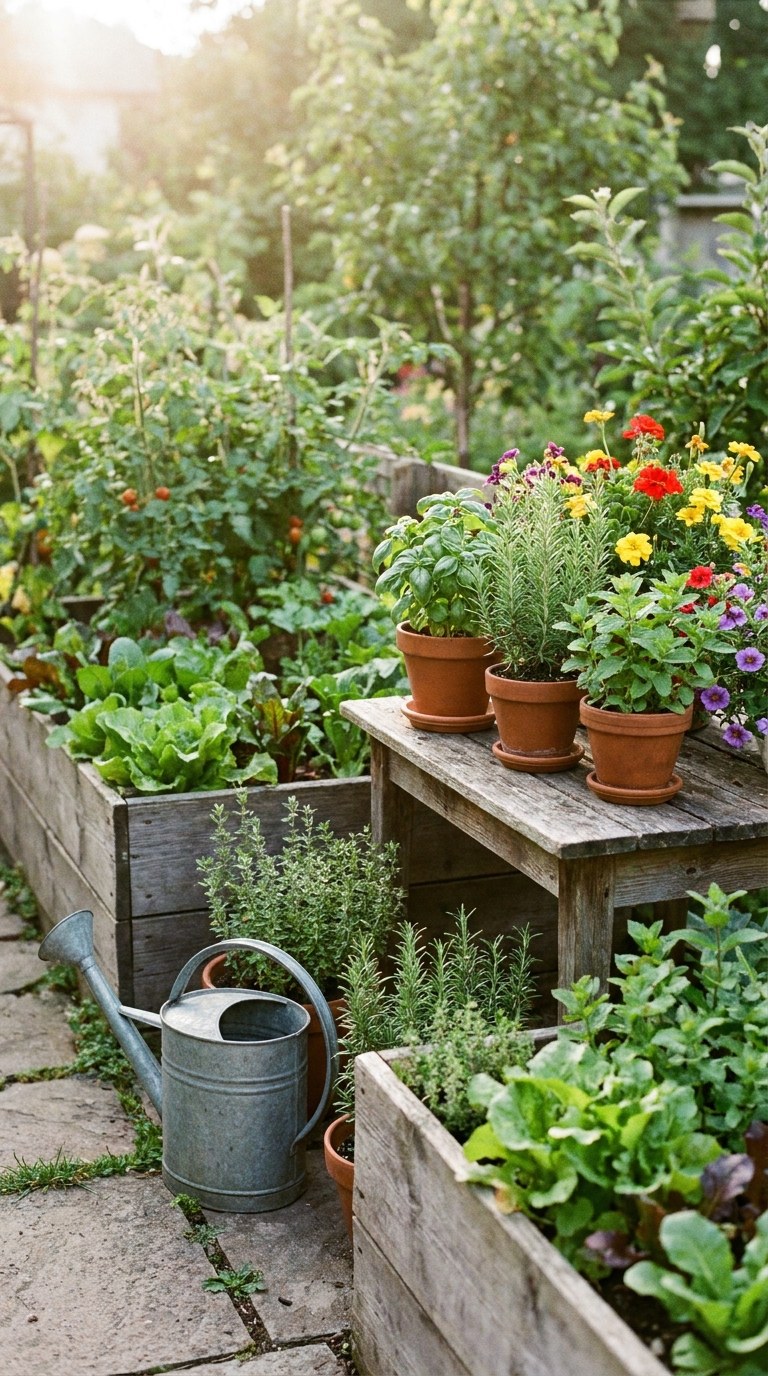
Growing your own plants is one of the most rewarding things you can do at home. It does not matter if you have a big yard or just a sunny windowsill.
What Is Horticulture, in Simple Words
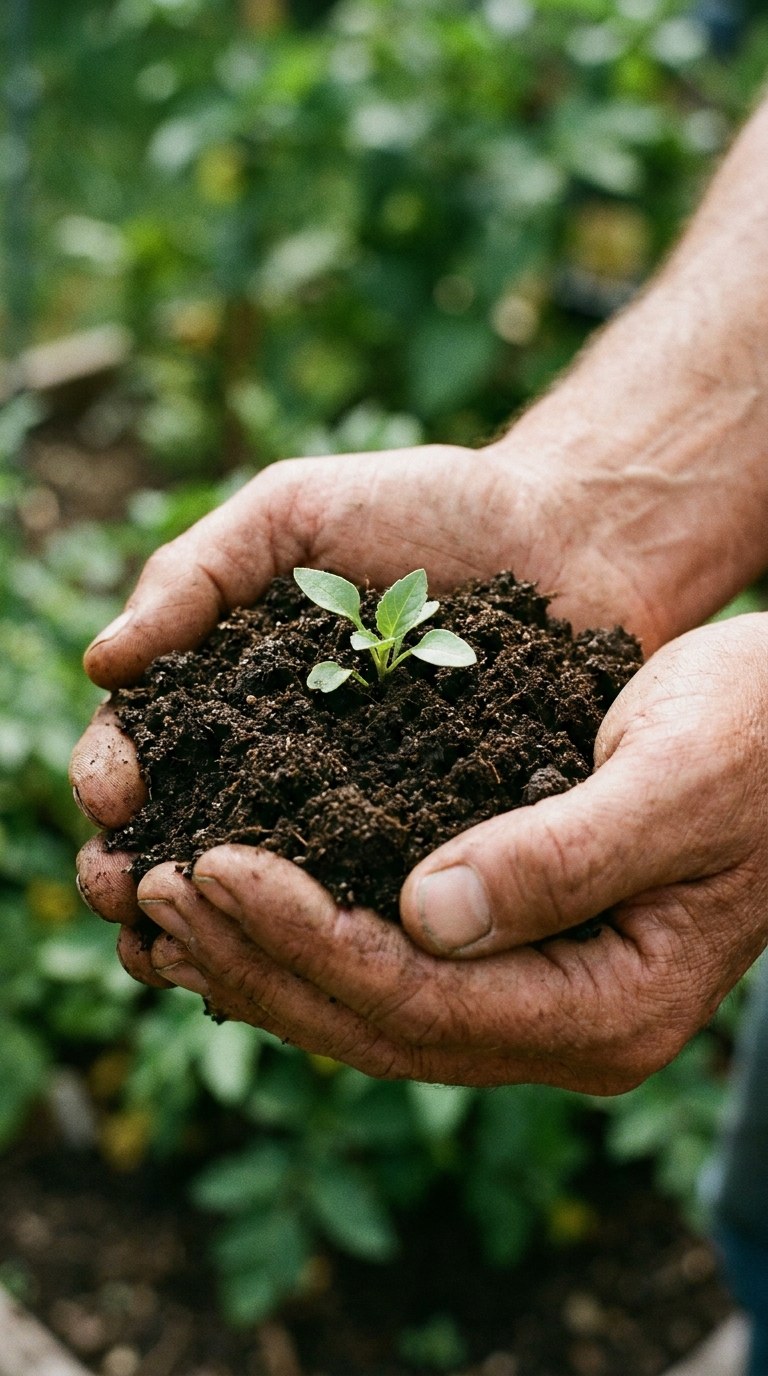
Horticulture is the art and science of growing plants. That sounds fancy, but it really means learning how plants live and what they need to stay healthy. When you water a plant, pick a sunny spot for it, or mix compost into the soil, you are doing horticulture.
Start With Good Soil
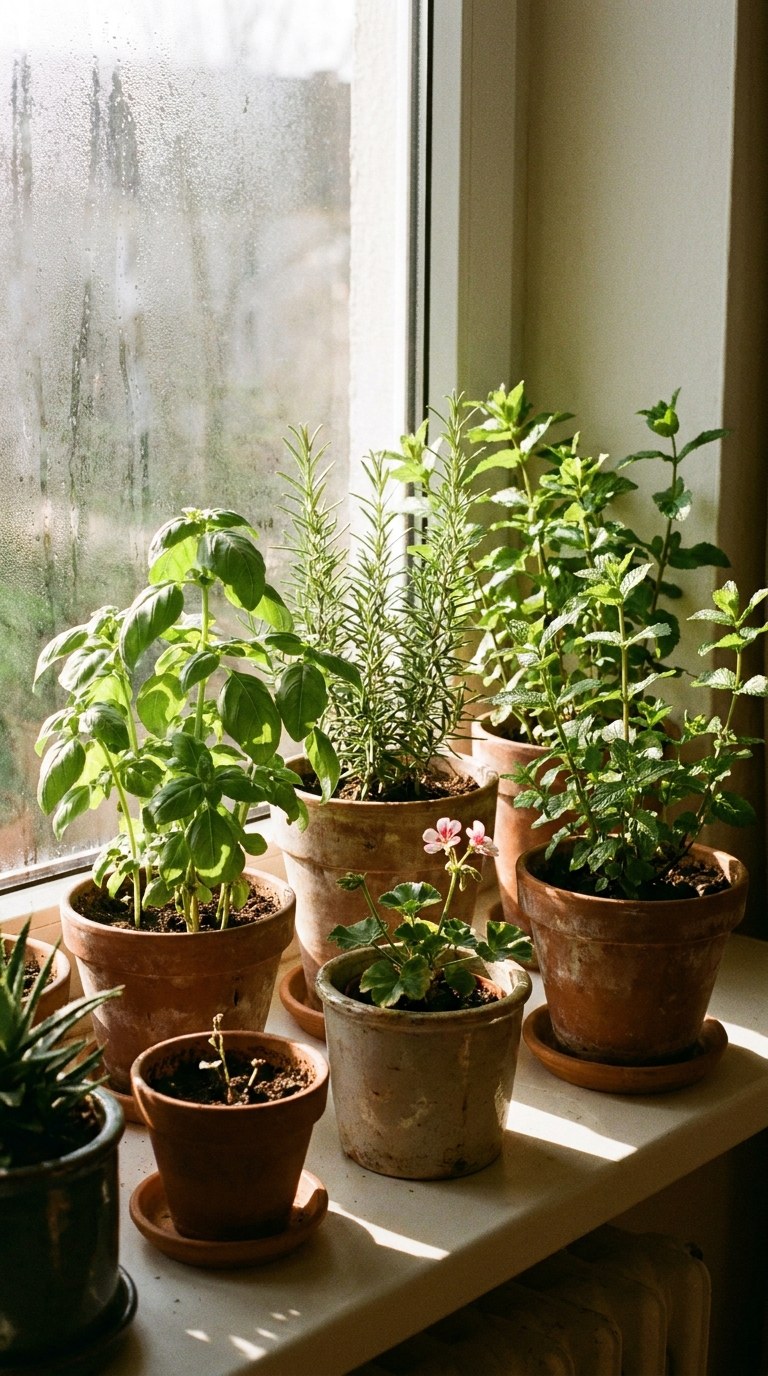
Healthy plants start with healthy soil. Good soil holds water and air, feeds the roots, and gives plants a firm place to stand. If your soil is hard clay or dry sand, mix in compost — old plant matter that has broken down into rich, dark food for the soil.
Give Your Plants the Right Sunlight
Every plant needs light, but not every plant needs the same amount. Full sun means six or more hours of direct sun each day. Partial shade means three to six hours, or soft light through the day.
Water the Right Way
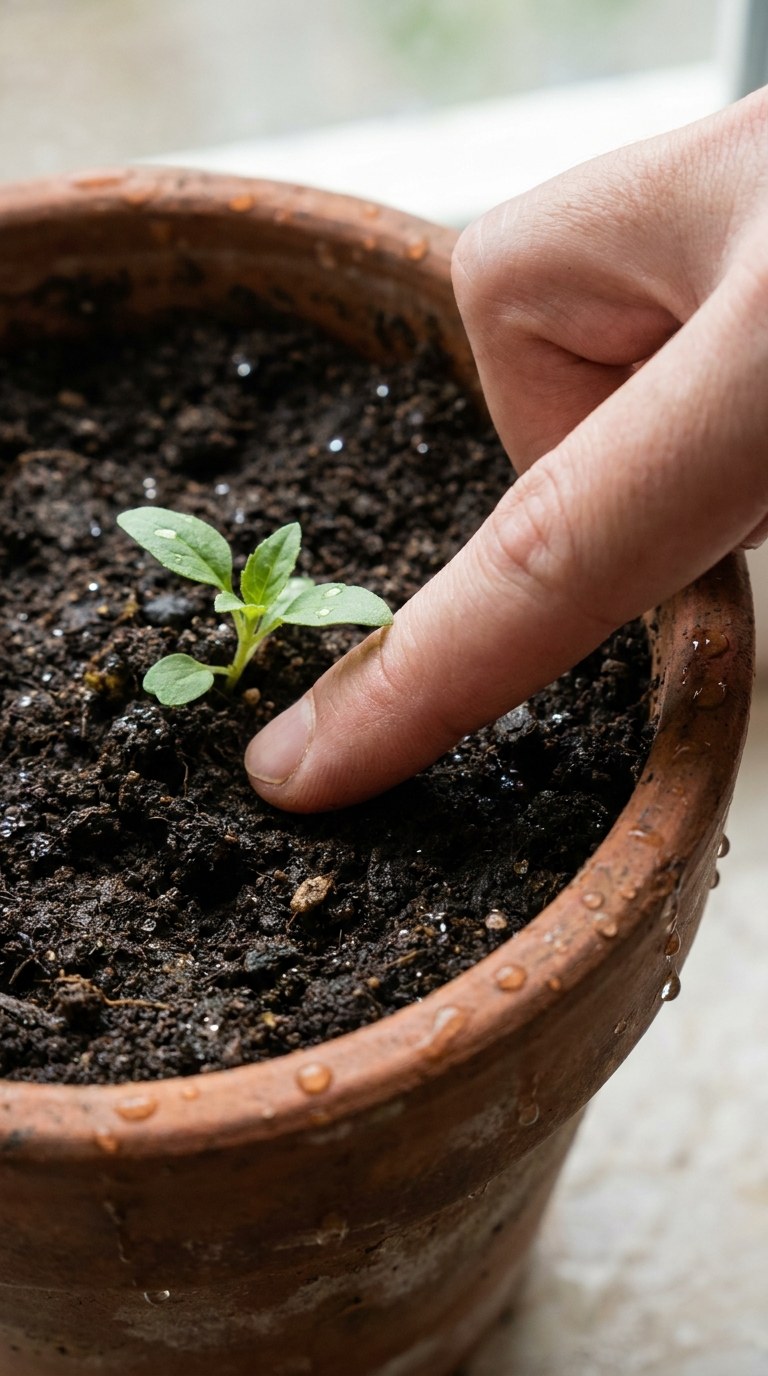
Watering seems easy, but it is where most beginners go wrong. Too much water hurts plants more often than too little water does. Push your finger about one inch into the soil. If it feels dry, it is time to water.
Seeds or Seedlings: Which One to Pick
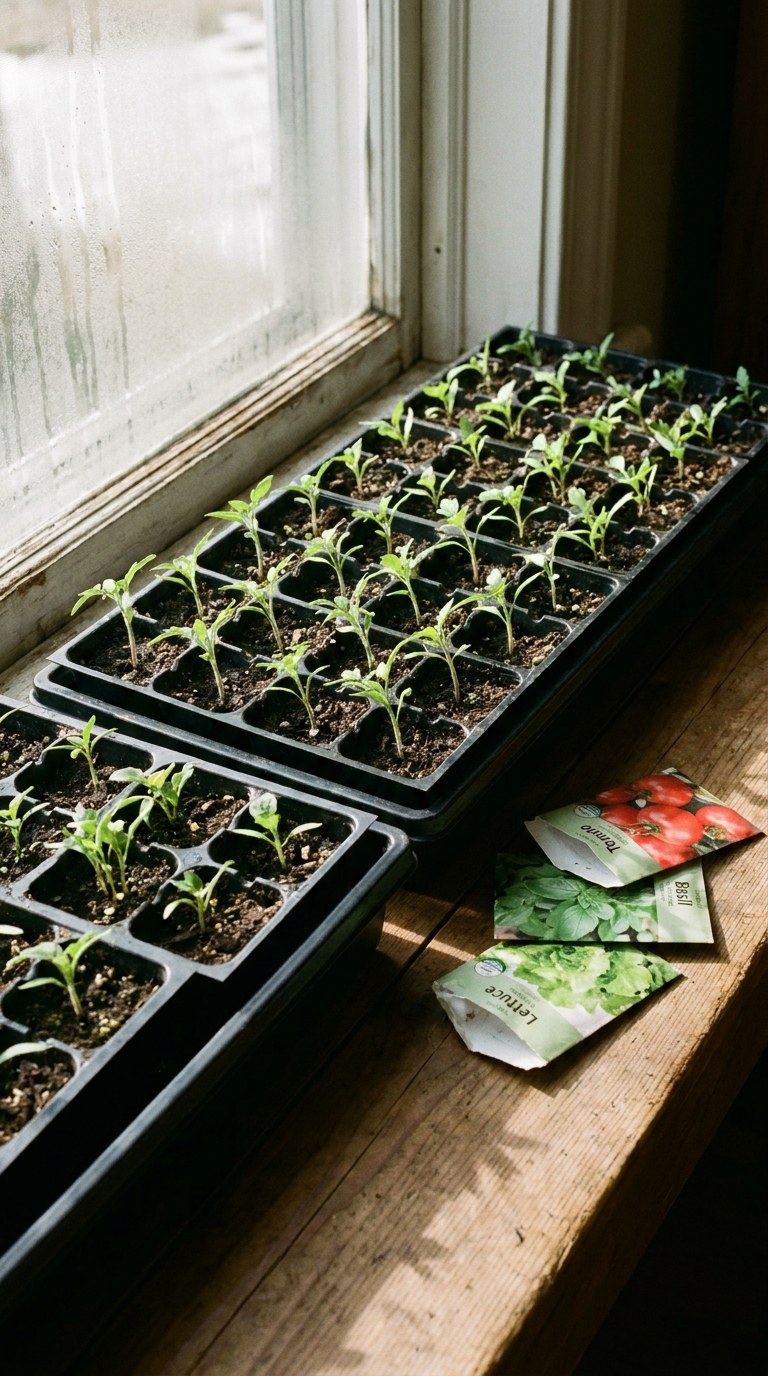
You can start a plant in two ways: from a seed or from a seedling, a small young plant you buy ready to grow. Seeds are cheap and great for fast growers like beans, peas, and lettuce. If you are just starting out, try both.
Feed Your Plants, But Not Too Much
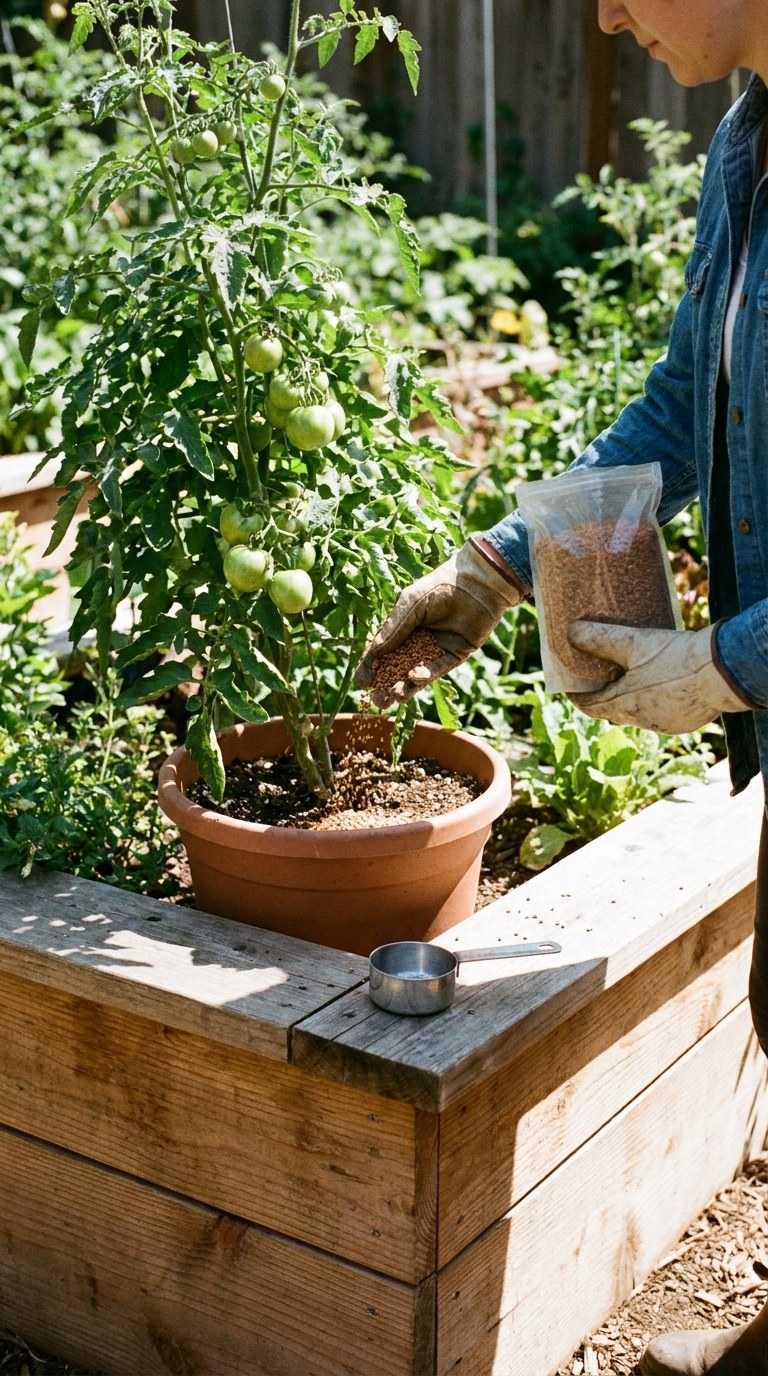
Plants need food, just like people do. Plant food, also called fertilizer, gives the soil extra nutrients. The key is to feed a little and often, not a lot all at once. Too much fertilizer can burn the roots, so always follow the amount written on the packet.
Grow Fresh Herbs at Home
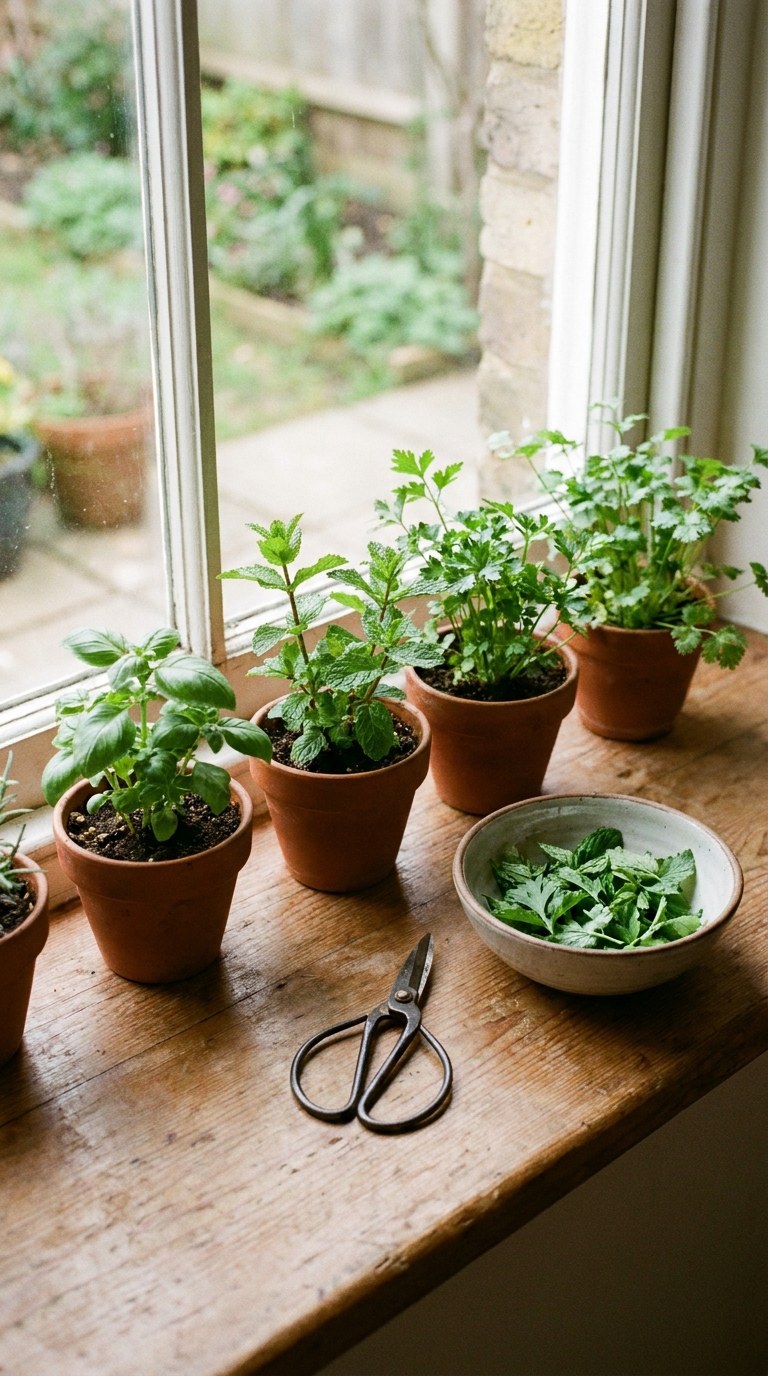
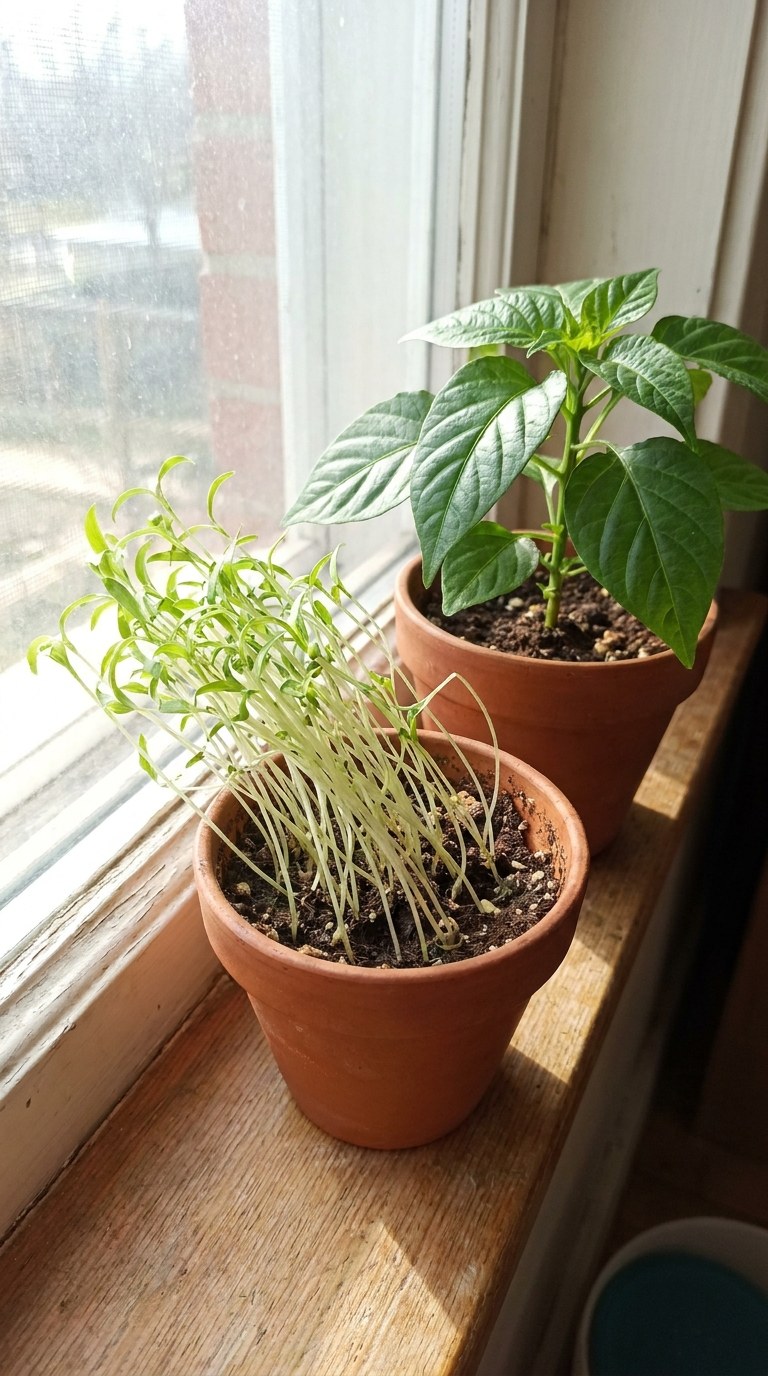
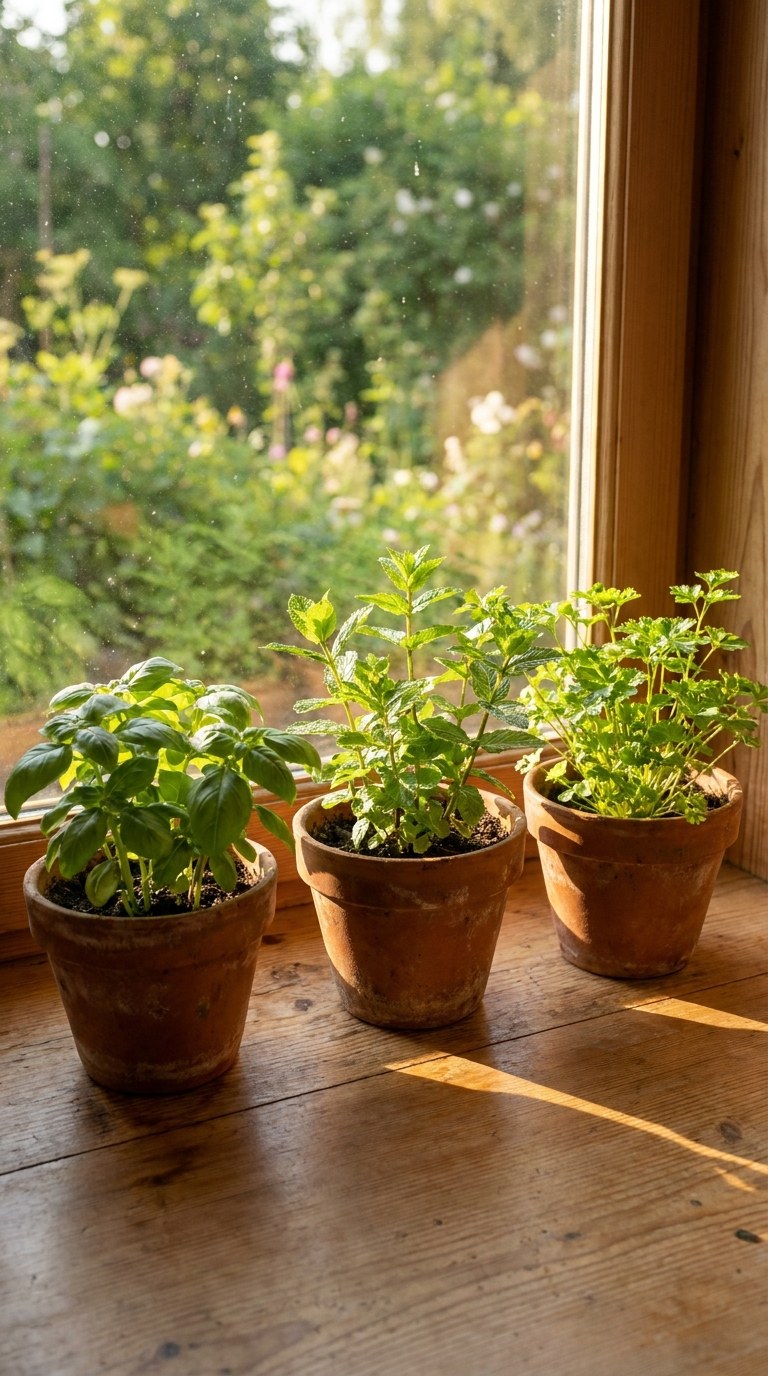
Herbs are the best plants for beginners. Basil, mint, parsley, and cilantro all grow well in pots on a sunny windowsill. Keep mint in its own pot, because it can take over a garden bed.
Keep Bugs and Plant Sickness Away
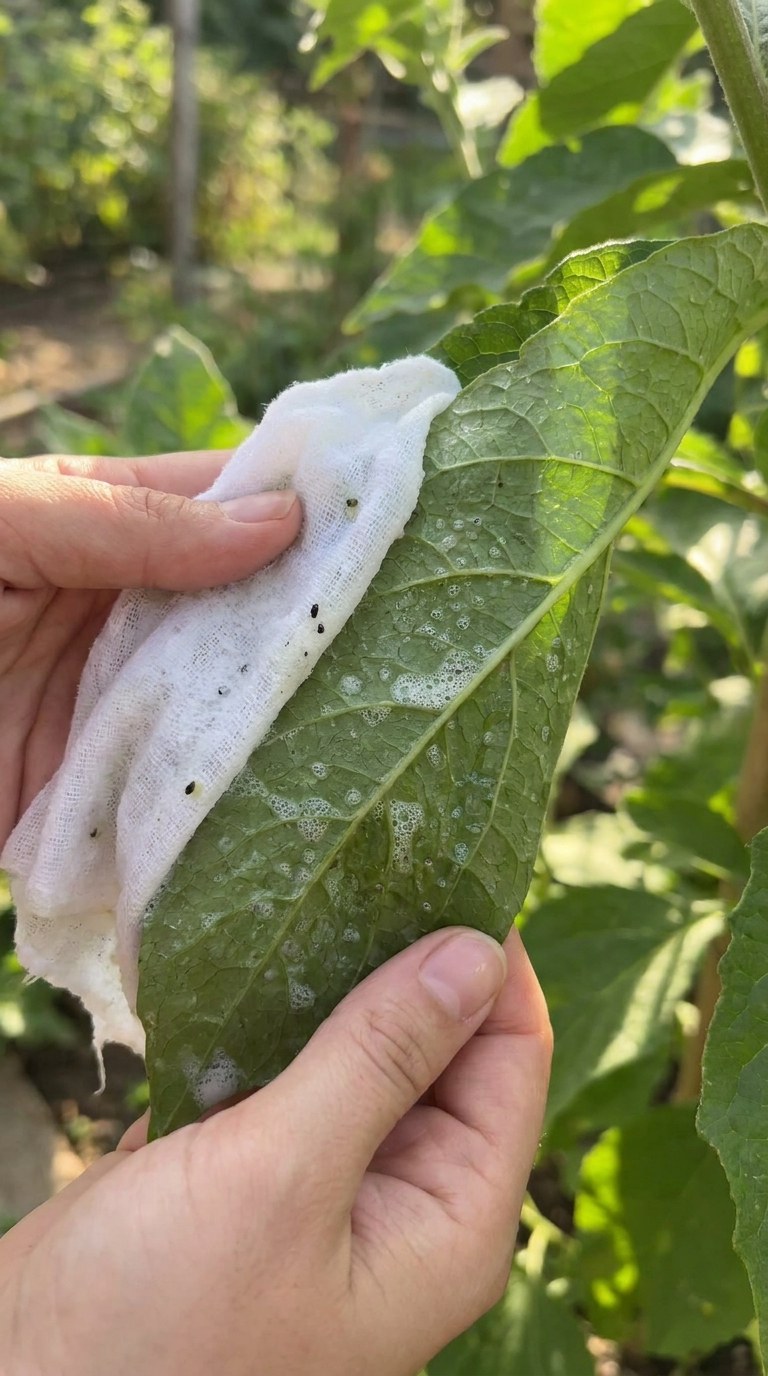
Even healthy plants can get bugs from time to time, and that is normal. Once a week, look at the undersides of the leaves and along the stems. For most small bug problems, a strong spray of plain water will wash the bugs away, or you can wipe the leaves with a soft cloth dipped in soapy water.
Common Mistakes Beginners Make
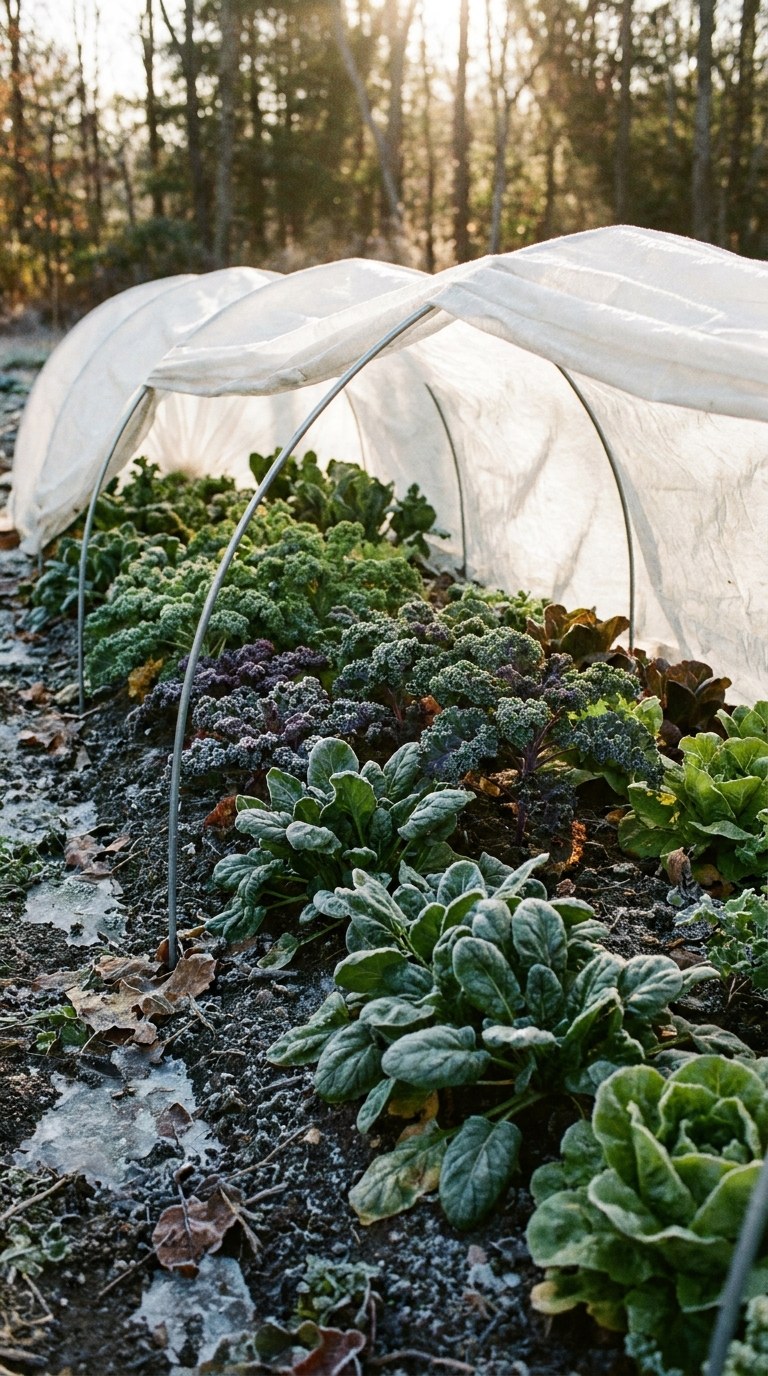
Every gardener makes mistakes, and that is how we learn. The most common mistake is watering too much. The second is giving a plant the wrong amount of sunlight. The third is crowding too many plants into one small pot. Most plants bounce back once you fix the one thing that was wrong.
Growing Plants in Winter
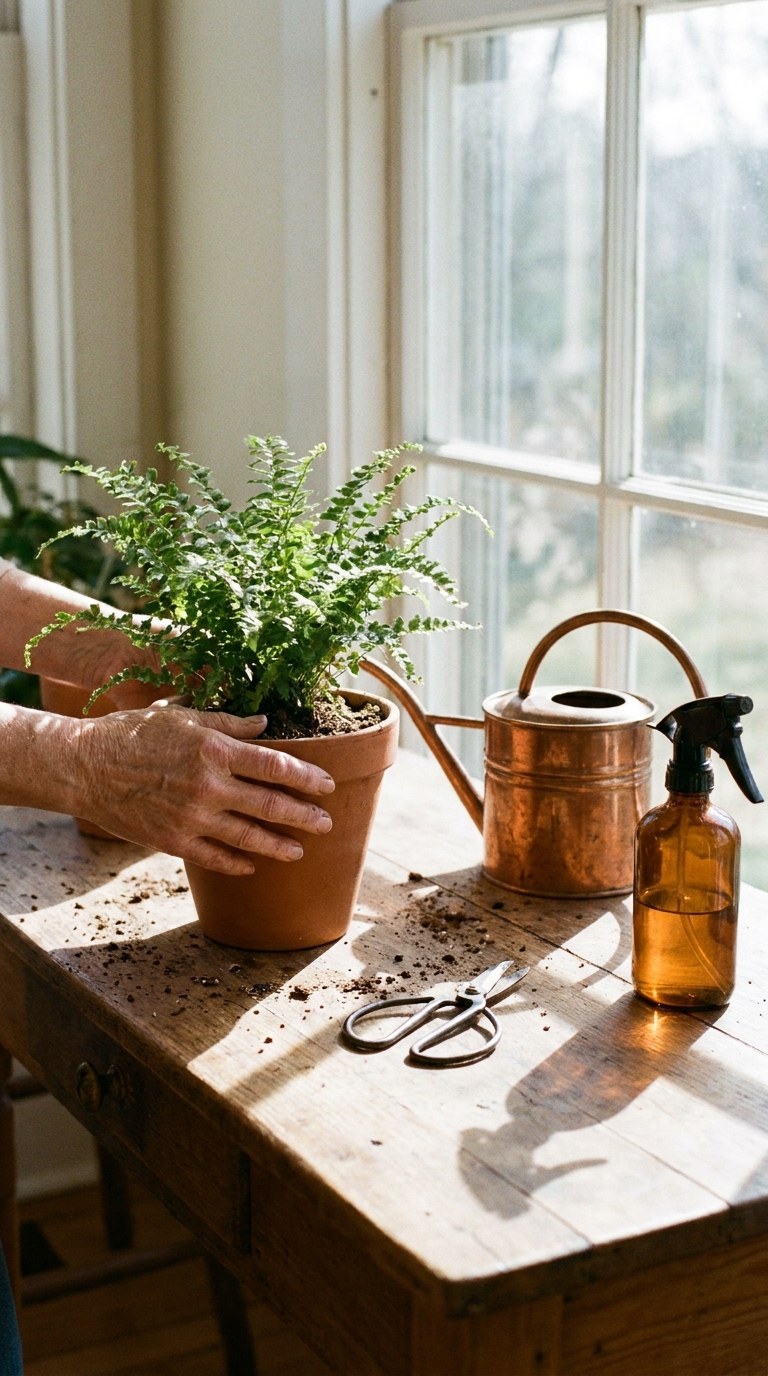
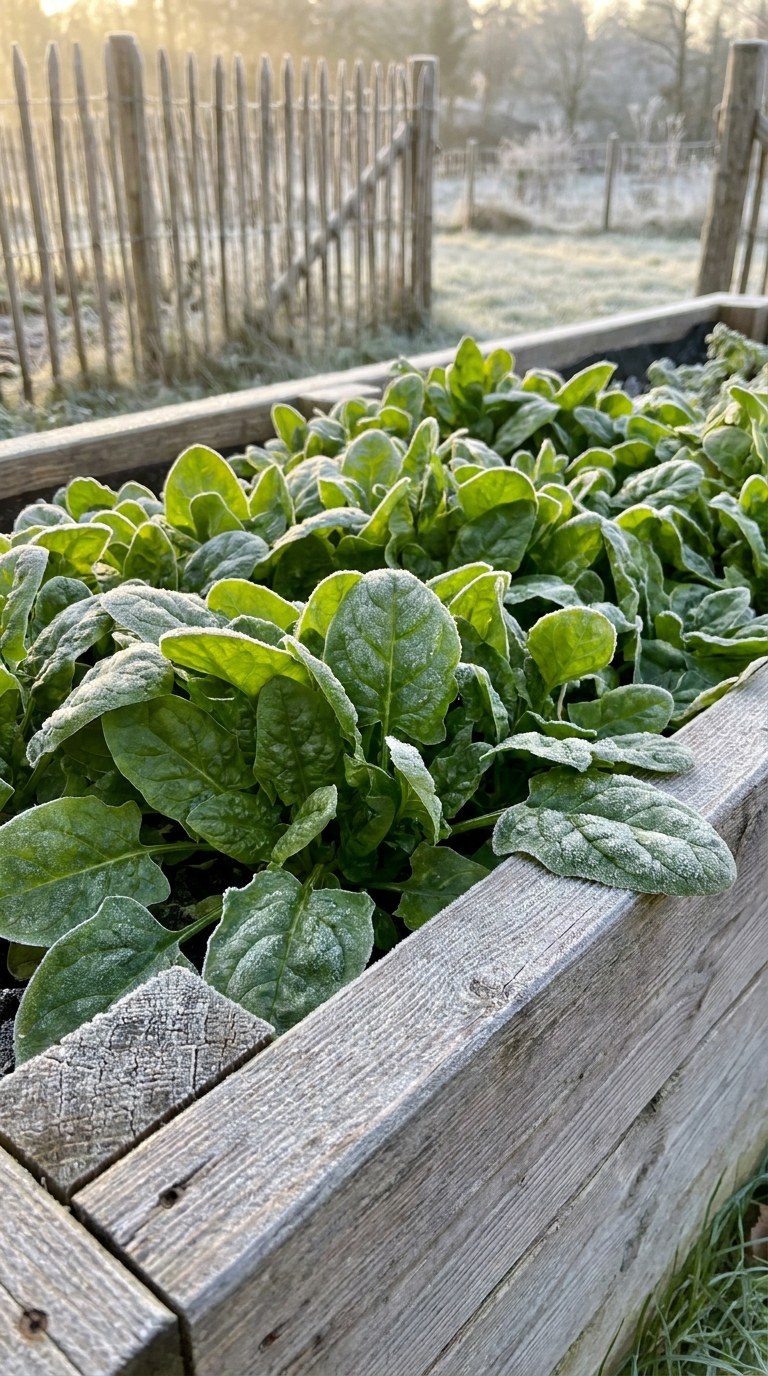
Winter does not mean your garden has to stop. Lettuce, spinach, kale, carrots, and peas all grow well in late fall and early winter in much of the United States. Cover them with a simple cloth on nights when frost is coming.
A Simple Weekly Routine for Healthy Plants
Healthy plants do not need hours of work. Pick one day a week and walk around your plants. First, check the soil and water only the plants that are dry. Next, look at the leaves for bugs or yellow spots. Then, turn each pot a quarter turn so all sides get sun. Finally, pinch off any dead or yellow leaves.
Start Small and Keep Learning
The best advice for any new gardener is to start small. Pick one or two plants that match your light and your time, and learn how they behave.
You May Also Like
Follow @kshristi33 on Pinterest for more ideas like this.
2 Comments
Comments are closed.