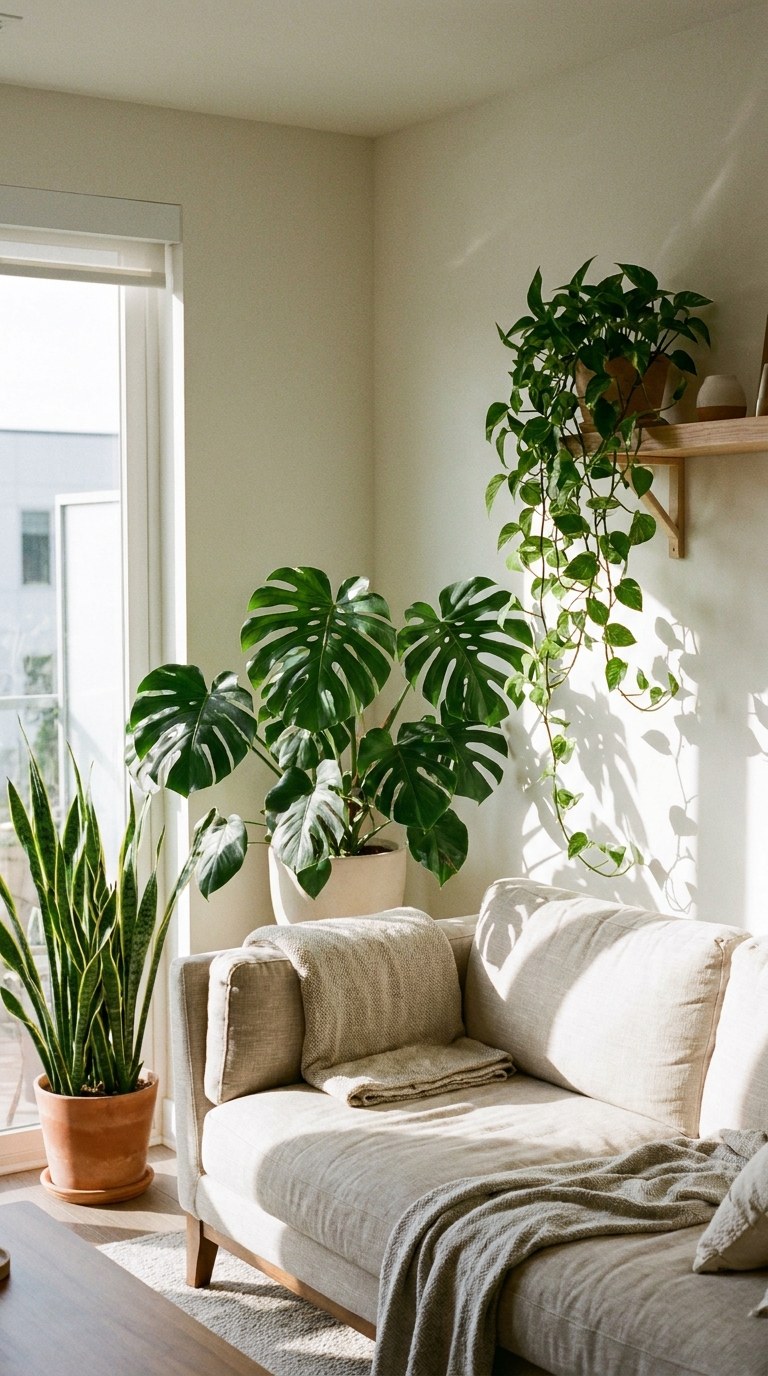
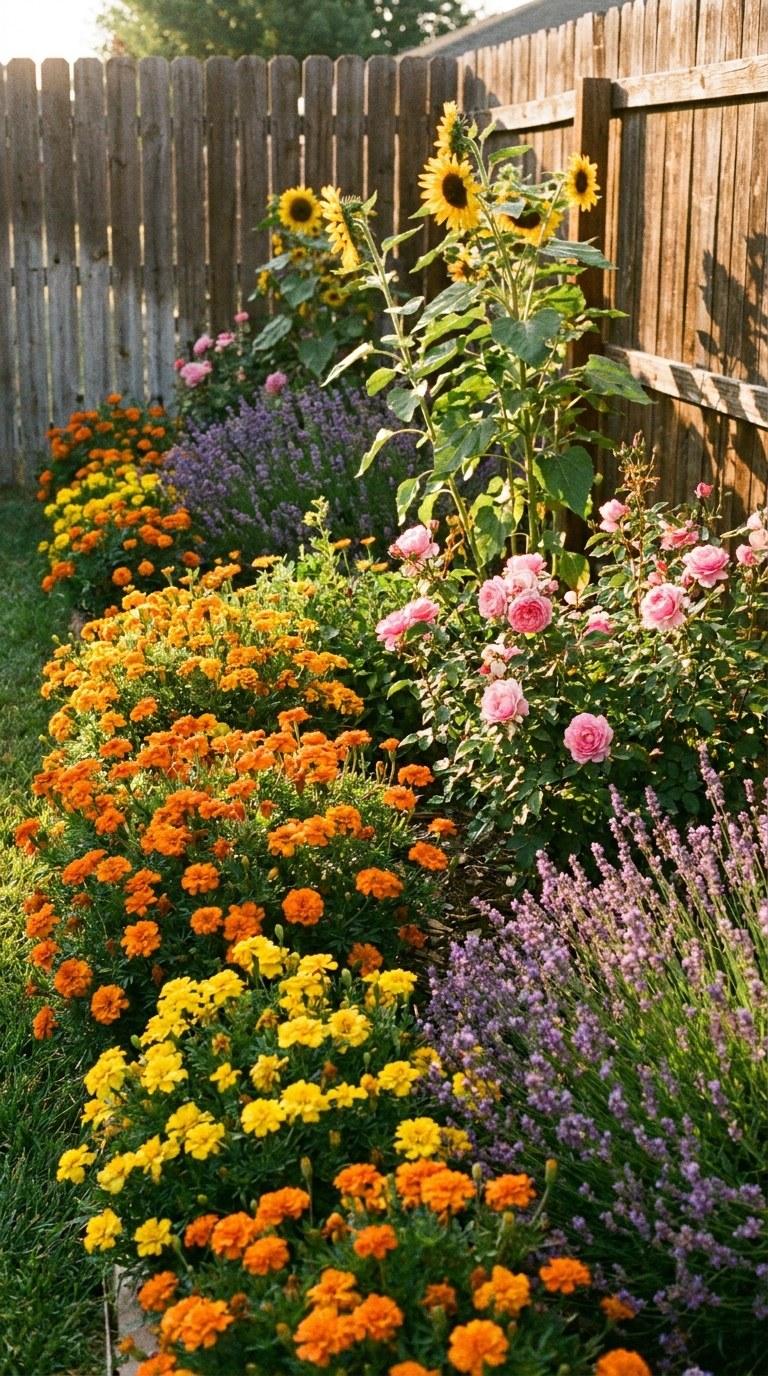
Horticulture Basics Every Beginner Should Know
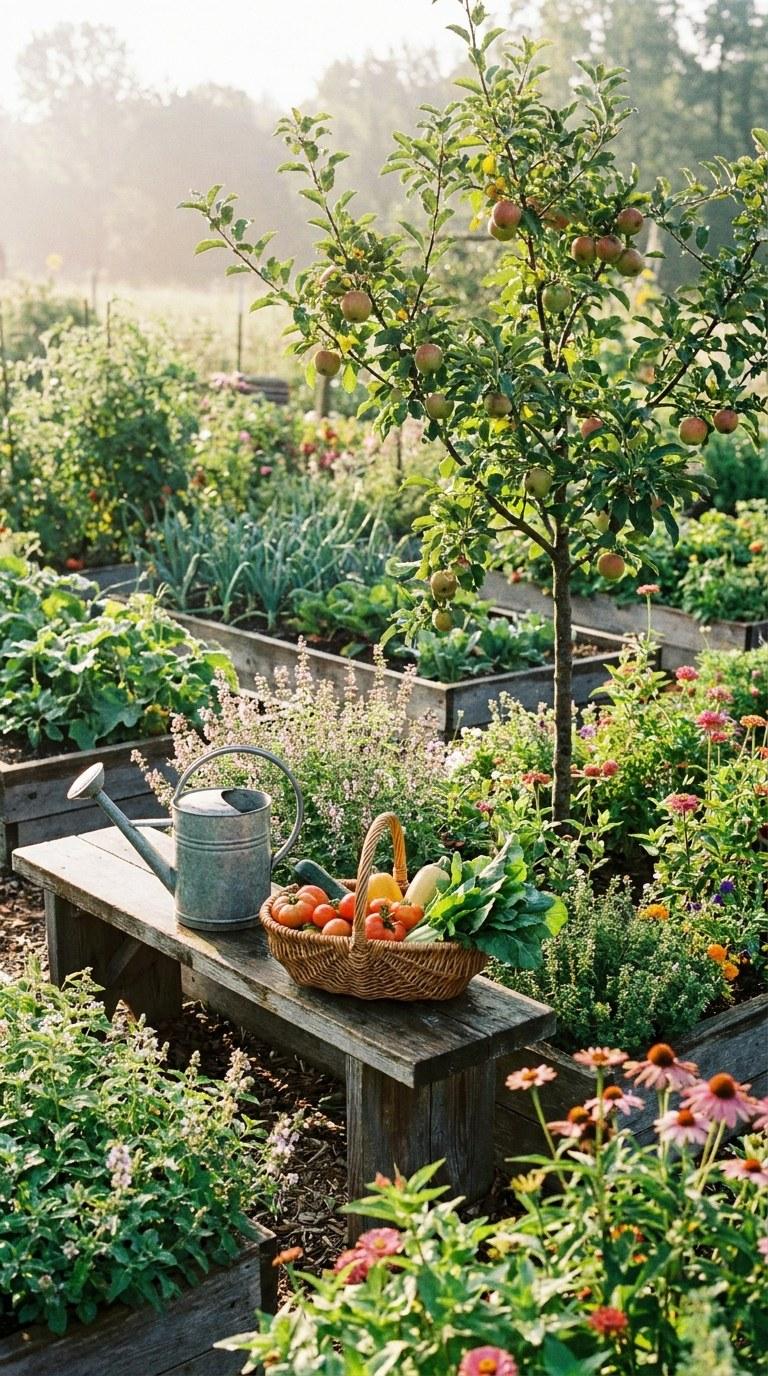
Horticulture is the art and science of growing plants. That sounds fancy, but it really means learning how plants live and what they need to stay healthy. If you can grow one plant, you can grow many. Here are the basics every beginner should know.
What Is Horticulture?
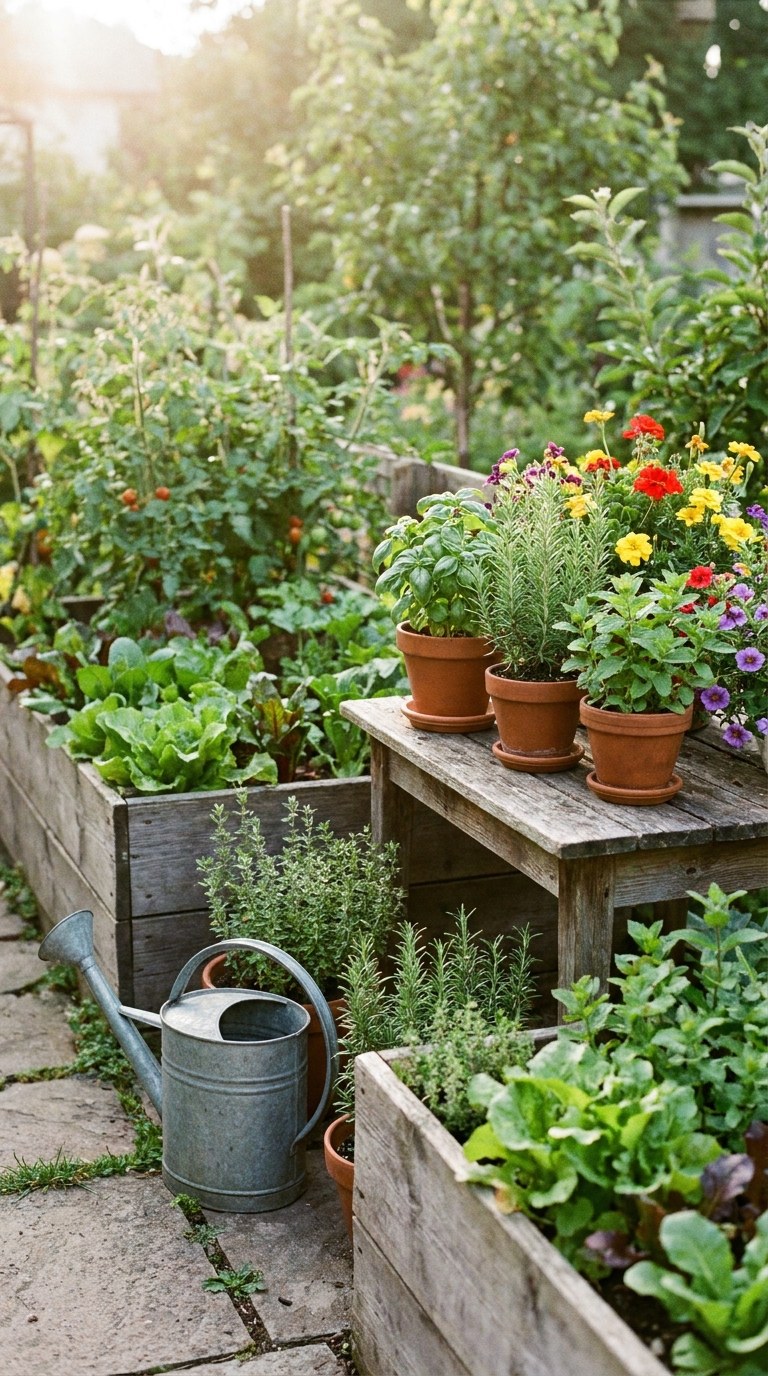
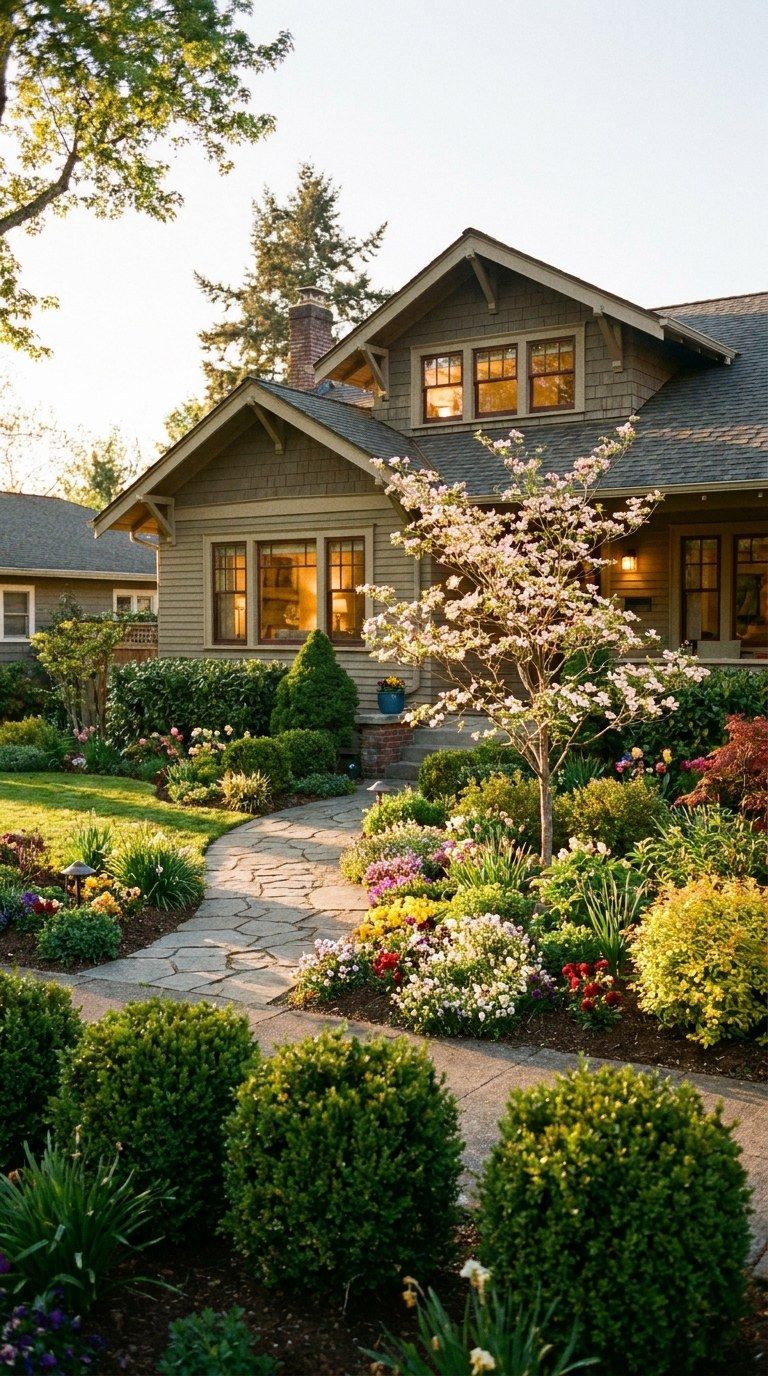
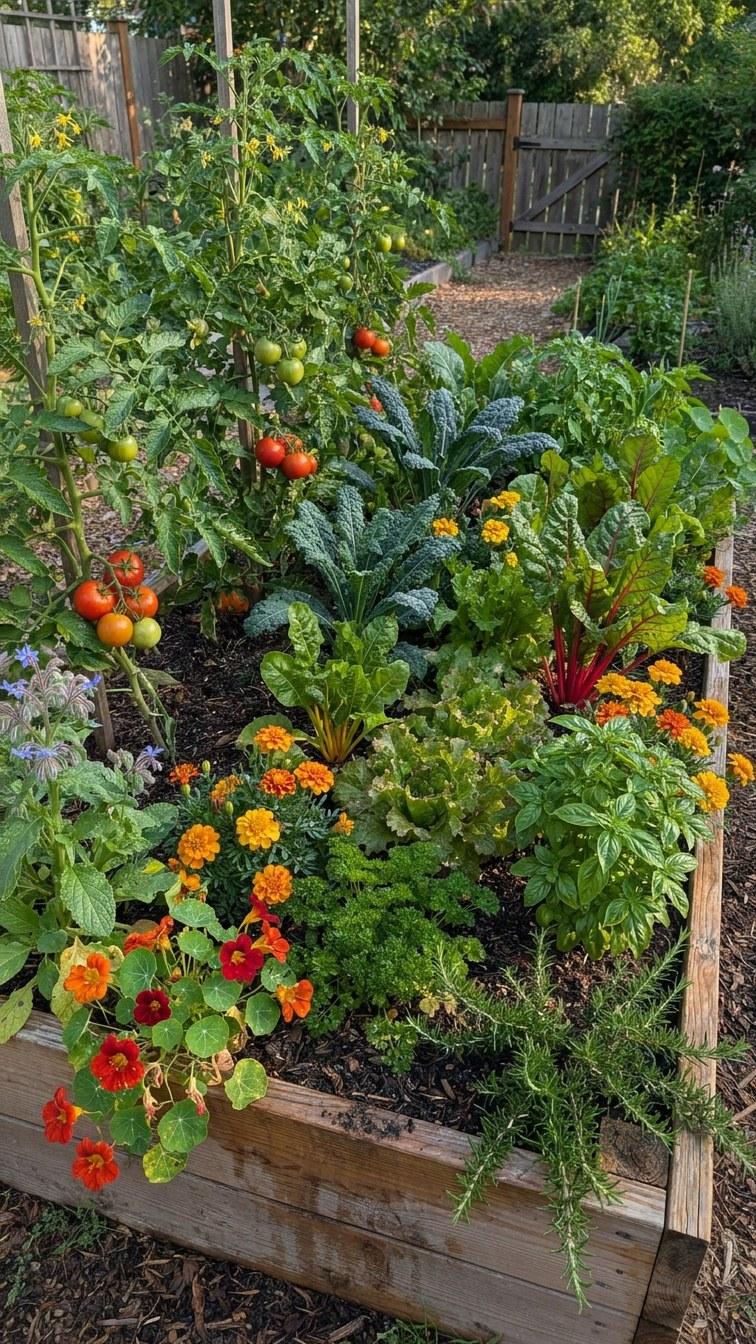
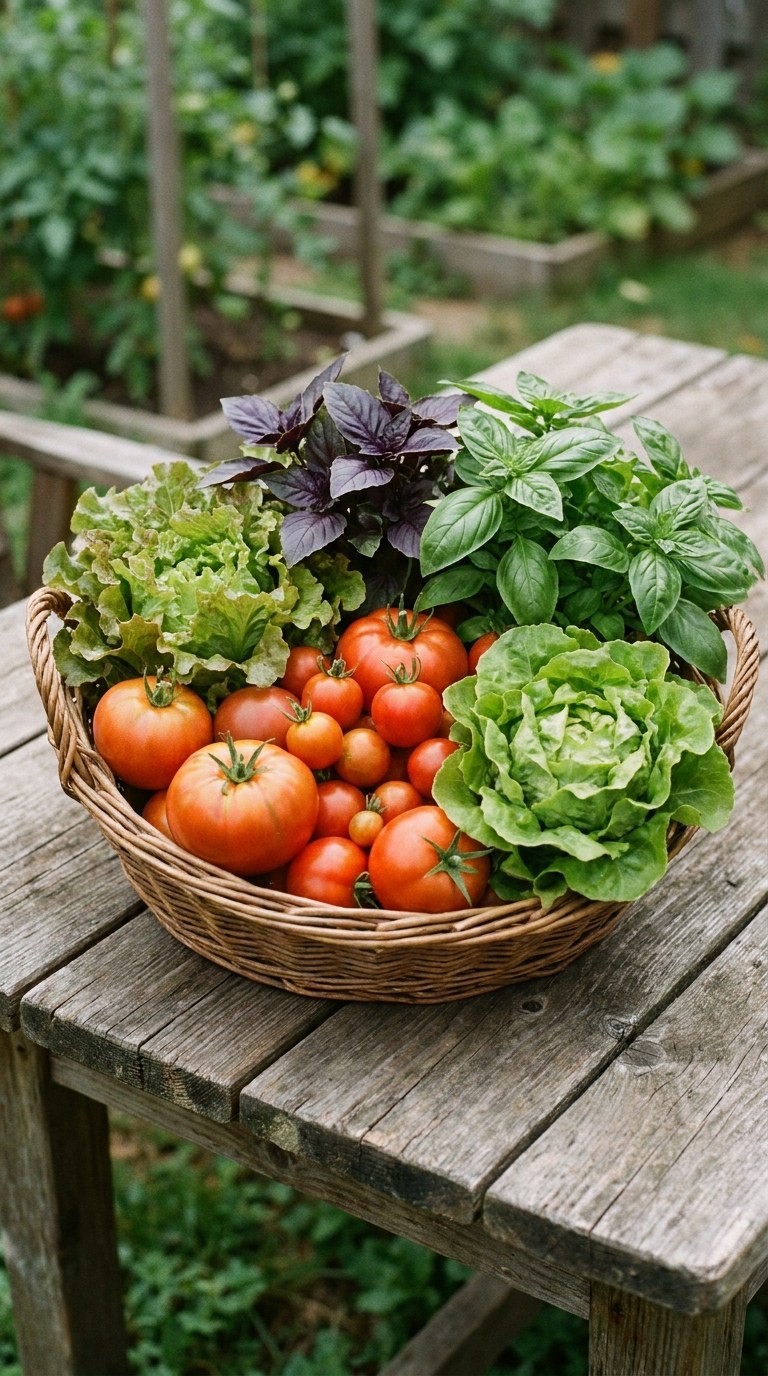
Horticulture covers fruits, vegetables, herbs, flowers, and trees. When you water a plant, pick a sunny spot for it, or mix compost into the soil, you are doing horticulture.
Growing your own plants saves money and gives you fresh food. It also brings a calm, happy feeling into your home. You do not need to know everything to start. You just need to start.
Start With Good Soil
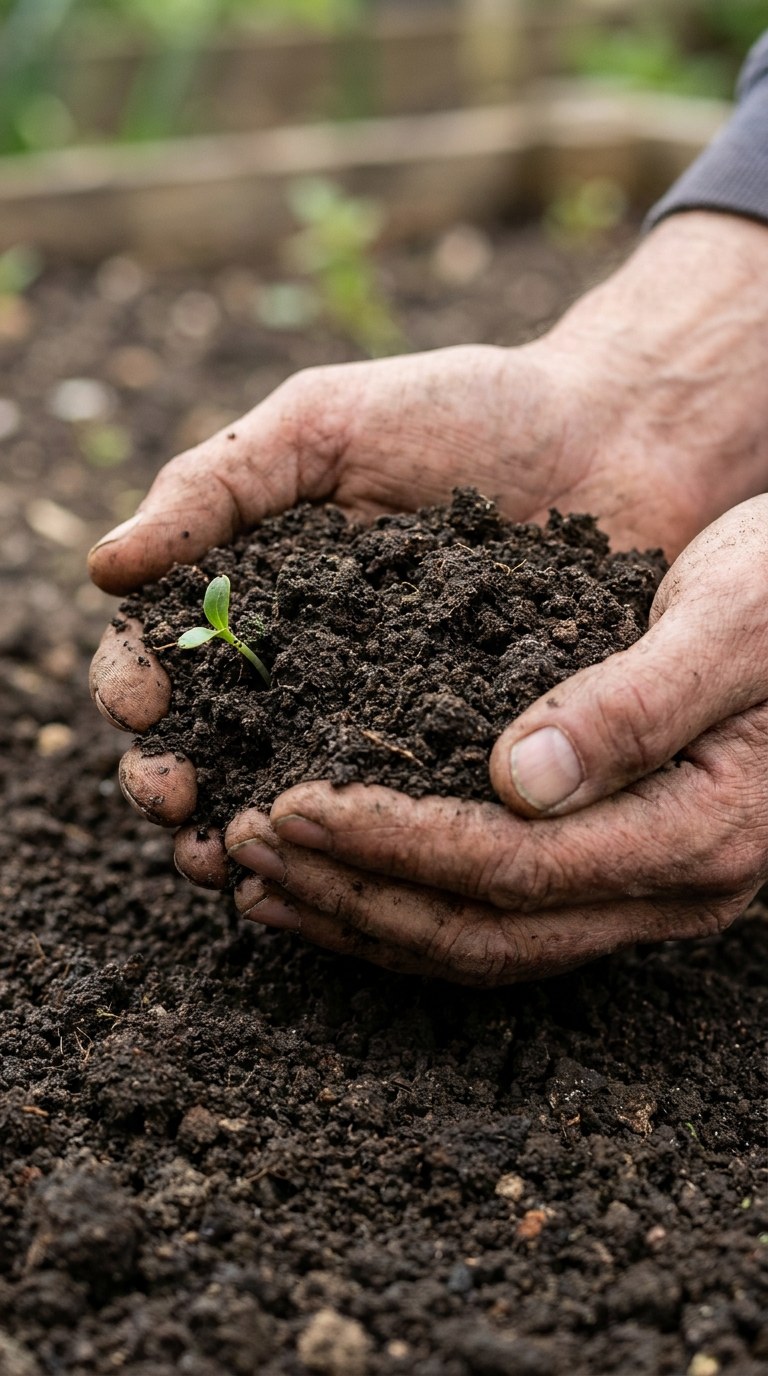
Healthy plants start with healthy soil. Good soil feels soft and crumbly, not hard or sticky. It holds water and air, feeds the roots, and gives plants a firm place to stand.
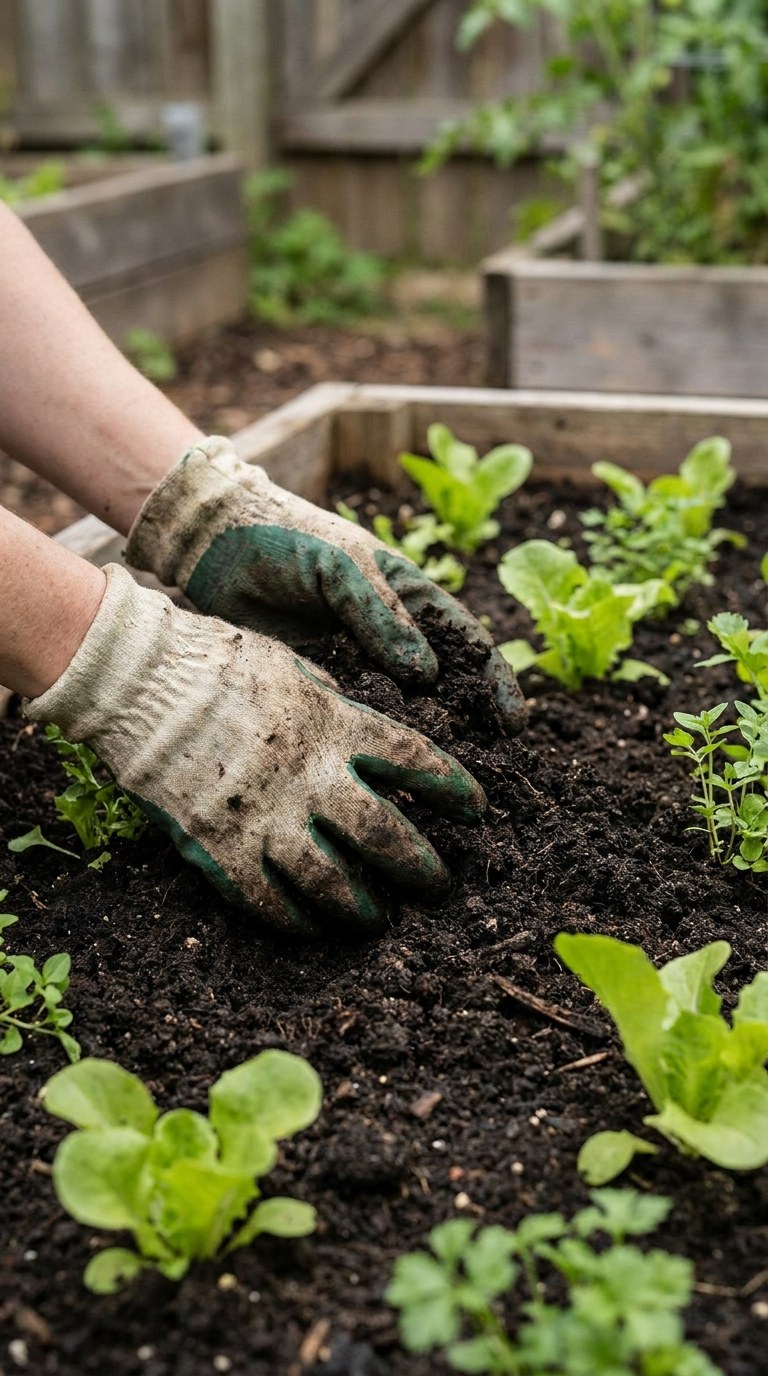
If your soil is hard clay or dry sand, mix in compost. Compost is old plant matter that has broken down into rich, dark food for the soil. A few handfuls mixed into the top of your soil will help almost any plant grow better.
Give Your Plants the Right Light
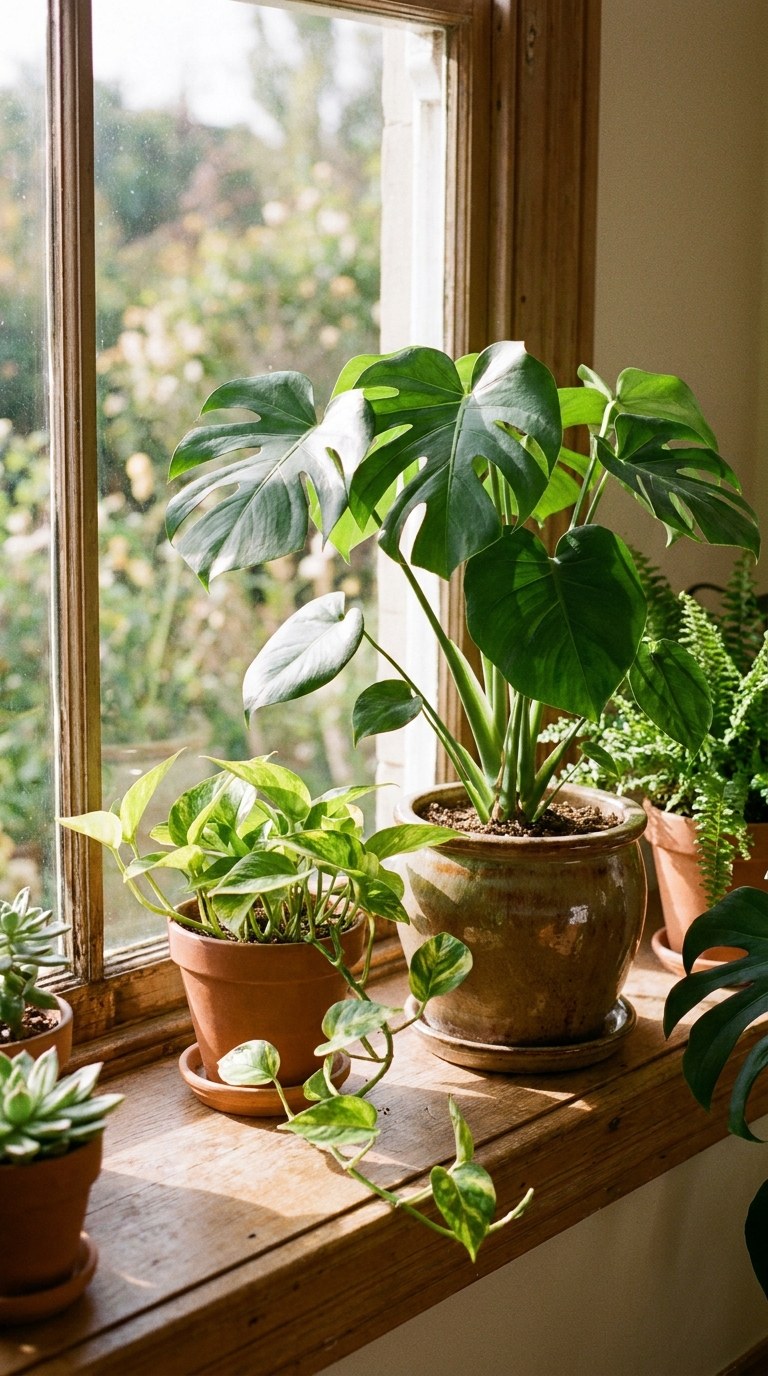
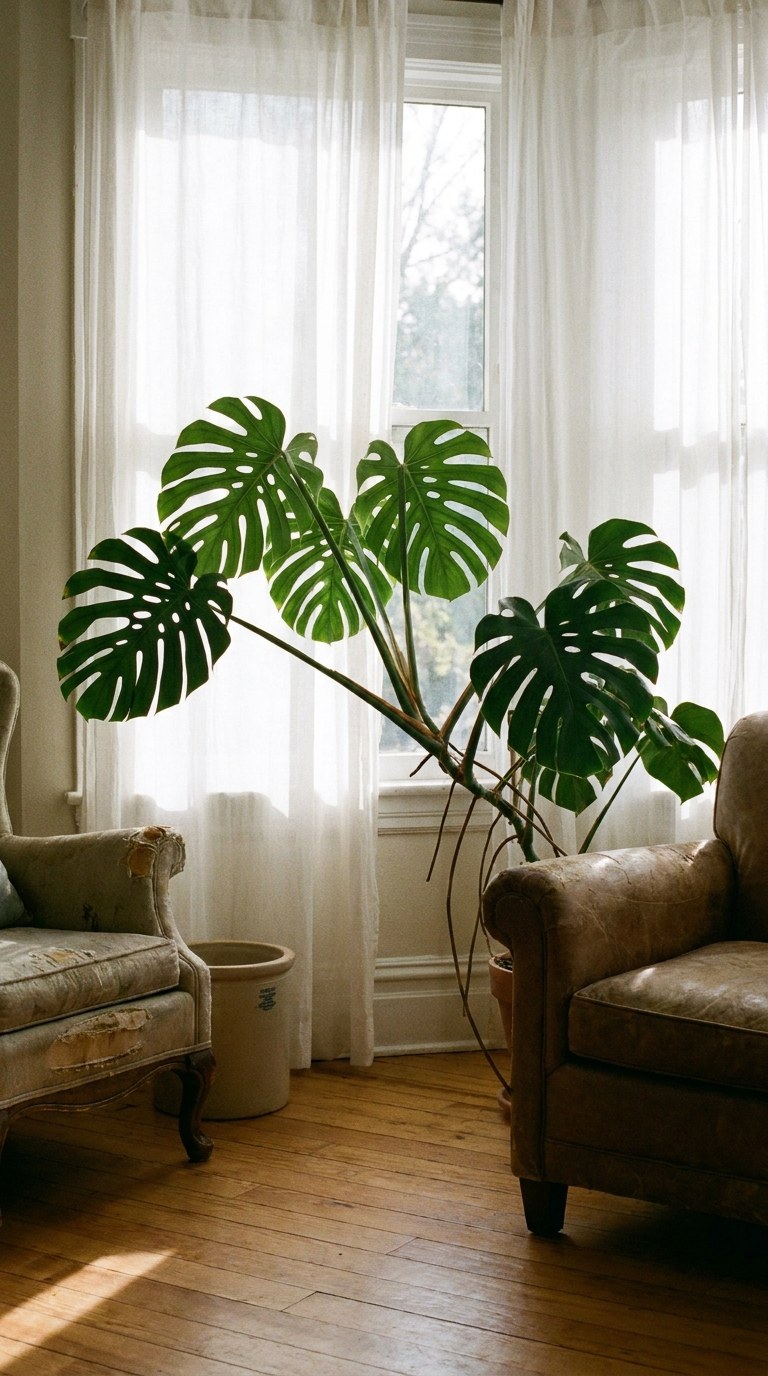
Every plant needs light, but not every plant needs the same amount. Full sun means six or more hours of direct sun each day. Partial shade means three to six hours, or soft light through the day. Full shade means a cool, shady spot.
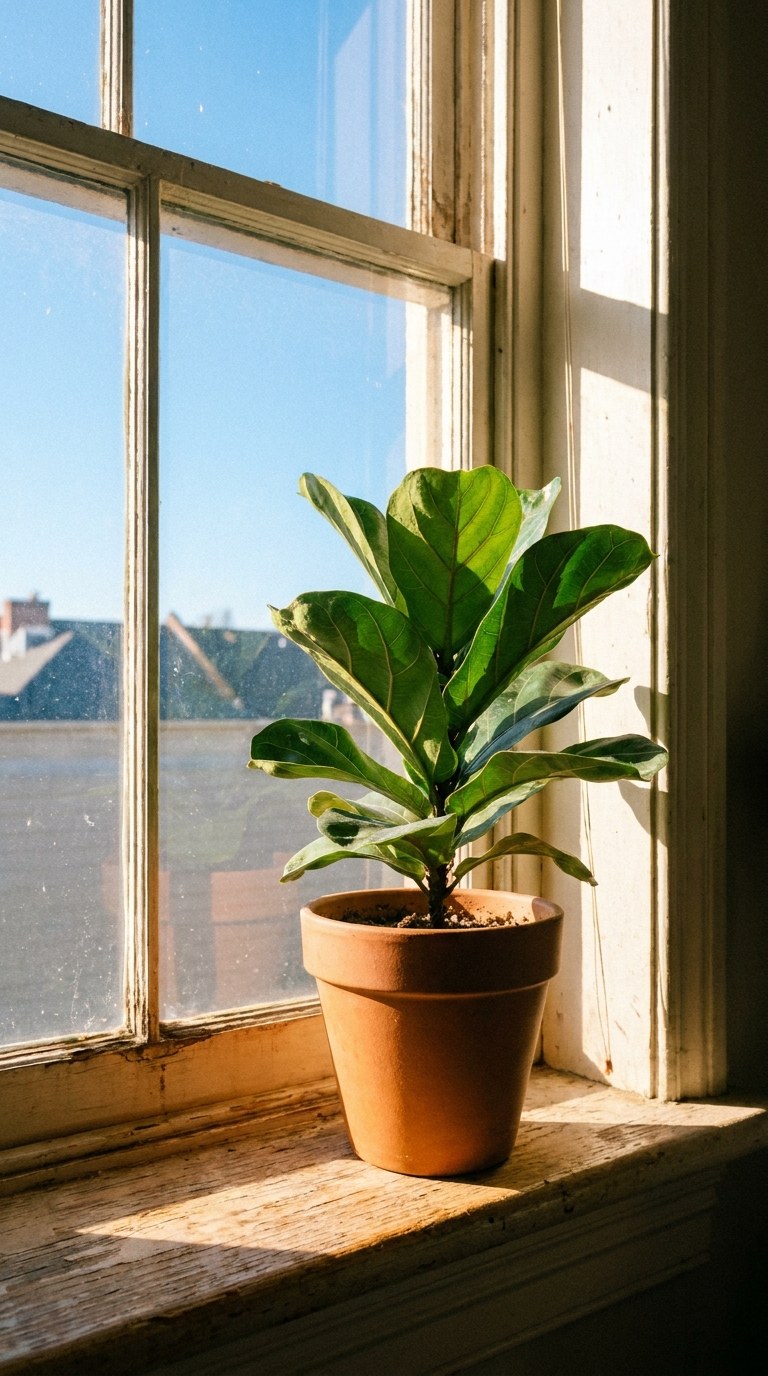
Before you buy a plant, watch where the sun falls in your home and yard. If a plant leans hard toward the window or grows tall and thin, it is asking for more light.
Water the Right Way
Too much water hurts plants more often than too little water does. When soil stays wet all the time, the roots cannot breathe, and they start to rot.
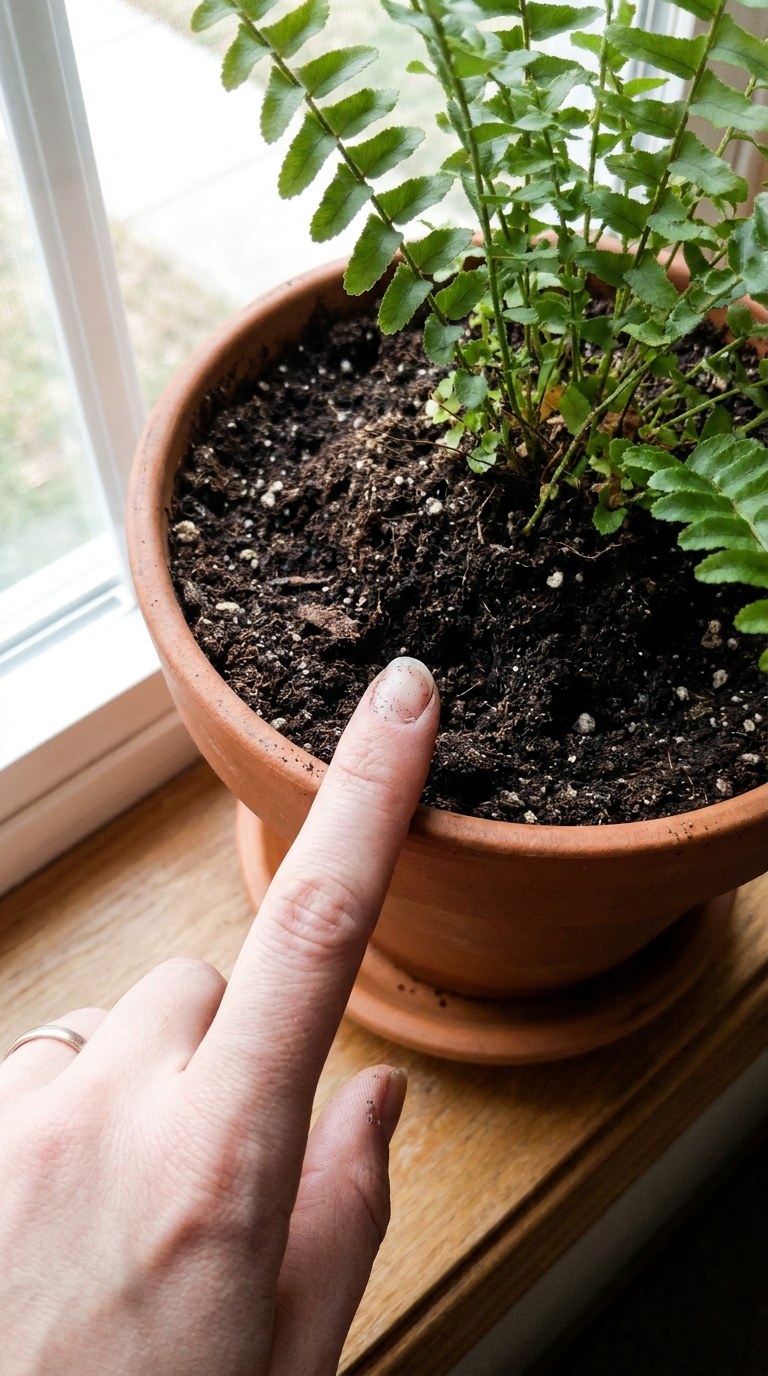
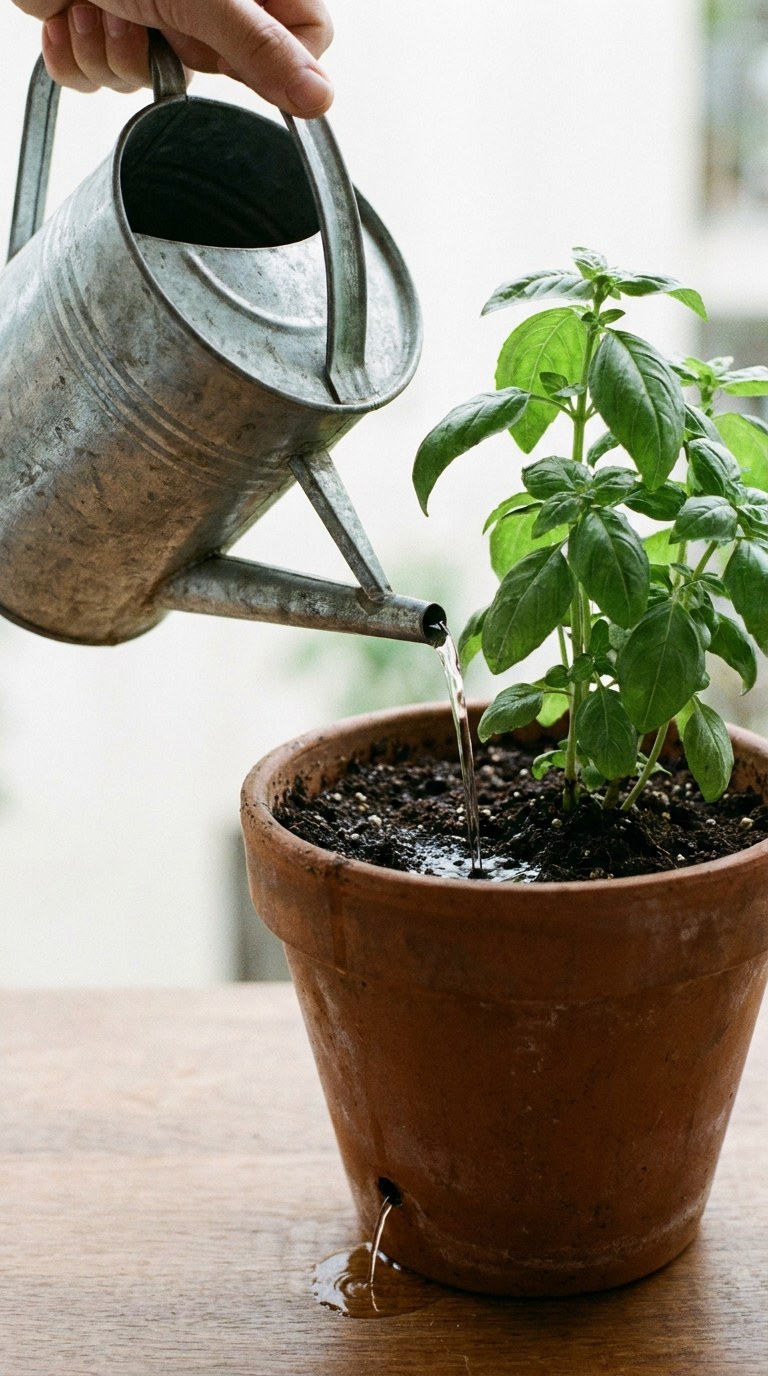
Push your finger about one inch into the soil. If it feels dry, it is time to water. If it feels damp, wait a day or two. When you do water, water slowly until a little water comes out of the bottom of the pot.
Feed Your Plants, But Not Too Much
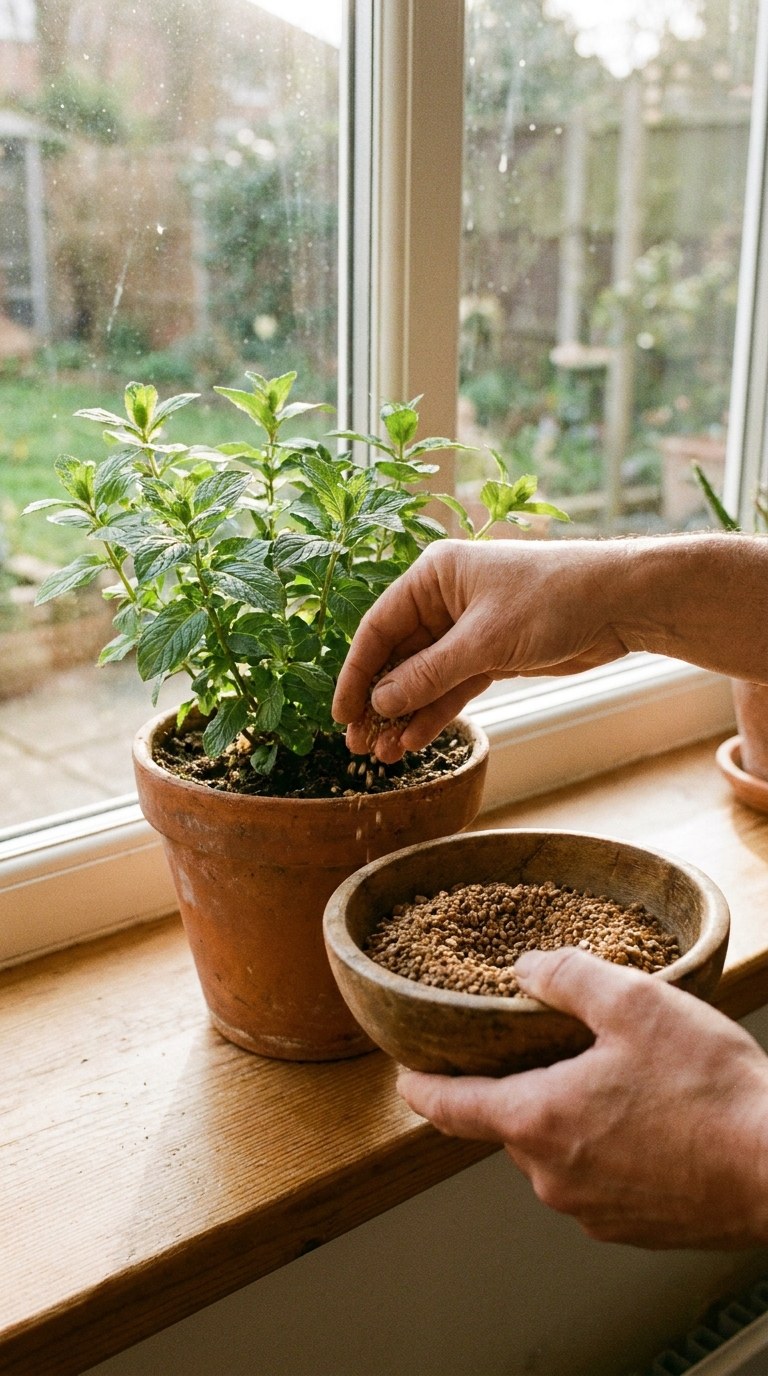
Plant food, also called fertilizer, gives the soil extra nutrients. The key is to feed a little and often, not a lot all at once. Too much fertilizer can burn the roots.
Most houseplants are happy with food once a month in spring and summer, when they grow fast. In fall and winter, most plants rest, so you can skip feeding until the days get longer.
Start With Easy Plants
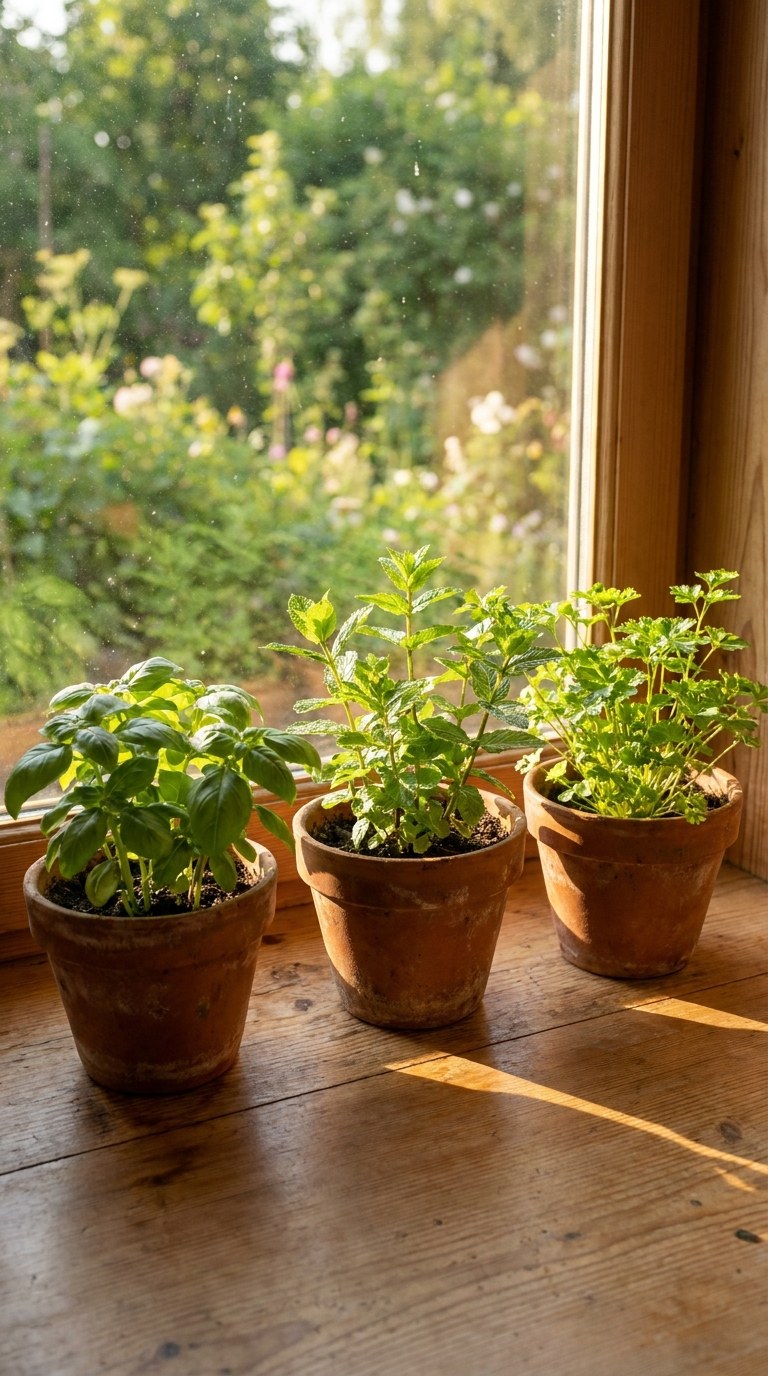
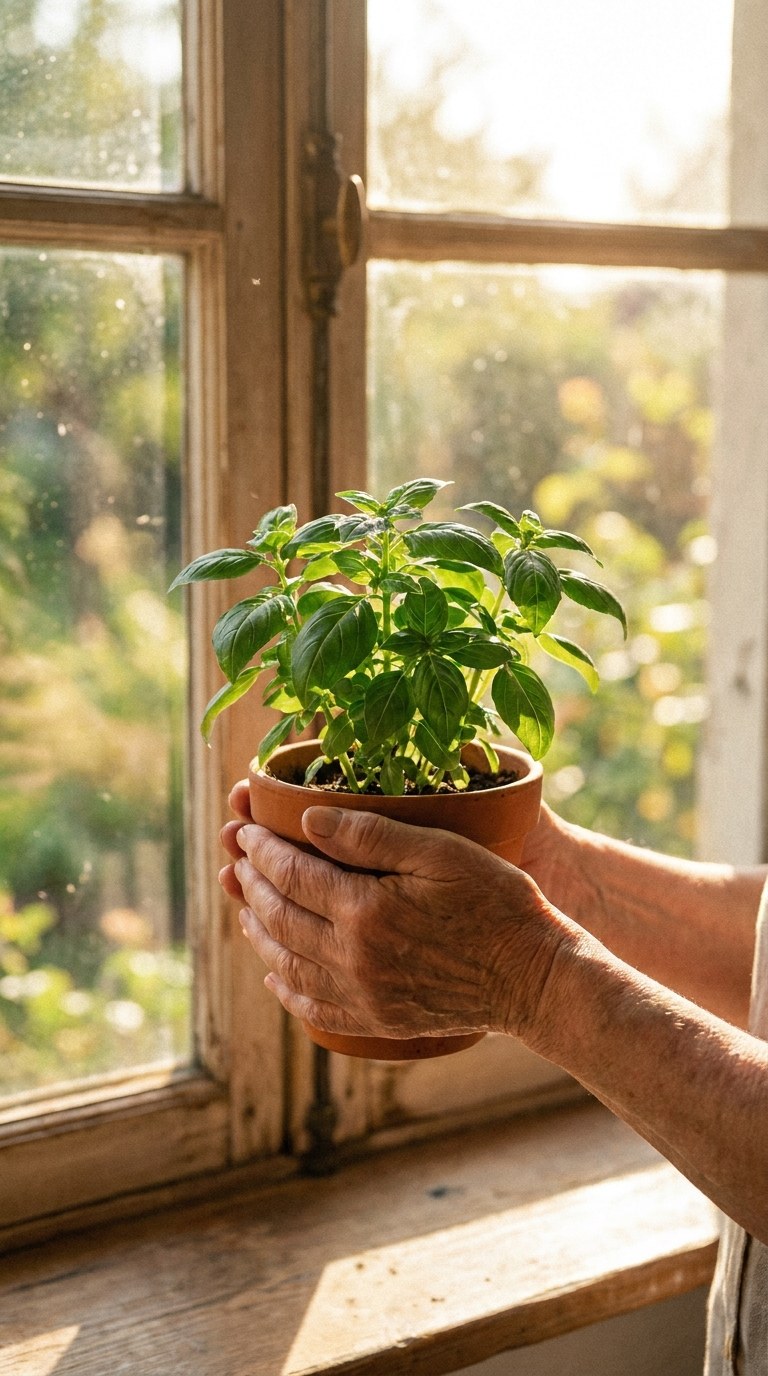
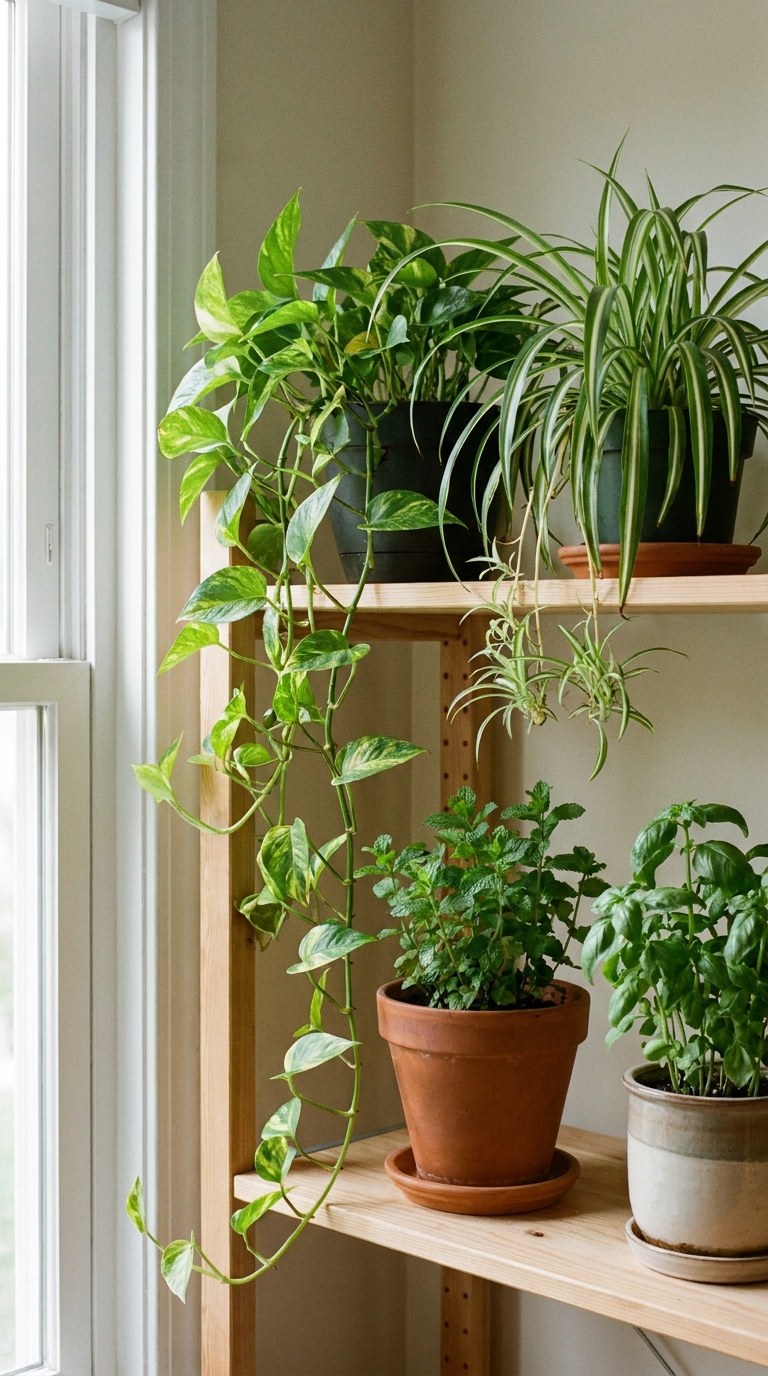
The best first plants are the ones that forgive mistakes. Try pothos, spider plants, mint, or basil. They grow fast and show you quickly what they need.
Pick one plant, learn its needs, and enjoy watching it grow. That is how every gardener begins.
You May Also Like
- Horticulture Basics: How to Grow Healthy Plants at Home
- Easy Herbs to Grow at Home
- Indoor Plants for Winter
Follow @kshristi33 on Pinterest for more ideas like this.