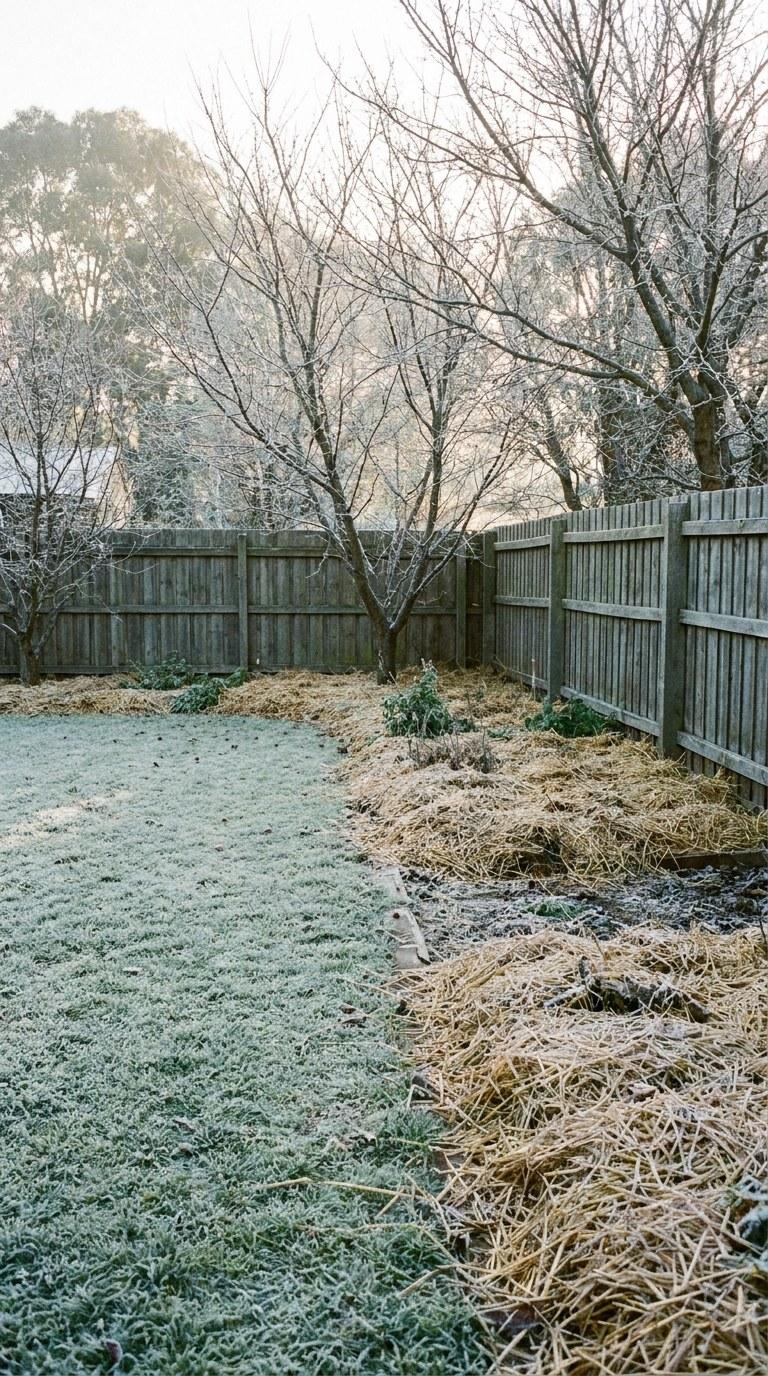
Best Winter Vegetables to Grow at Home
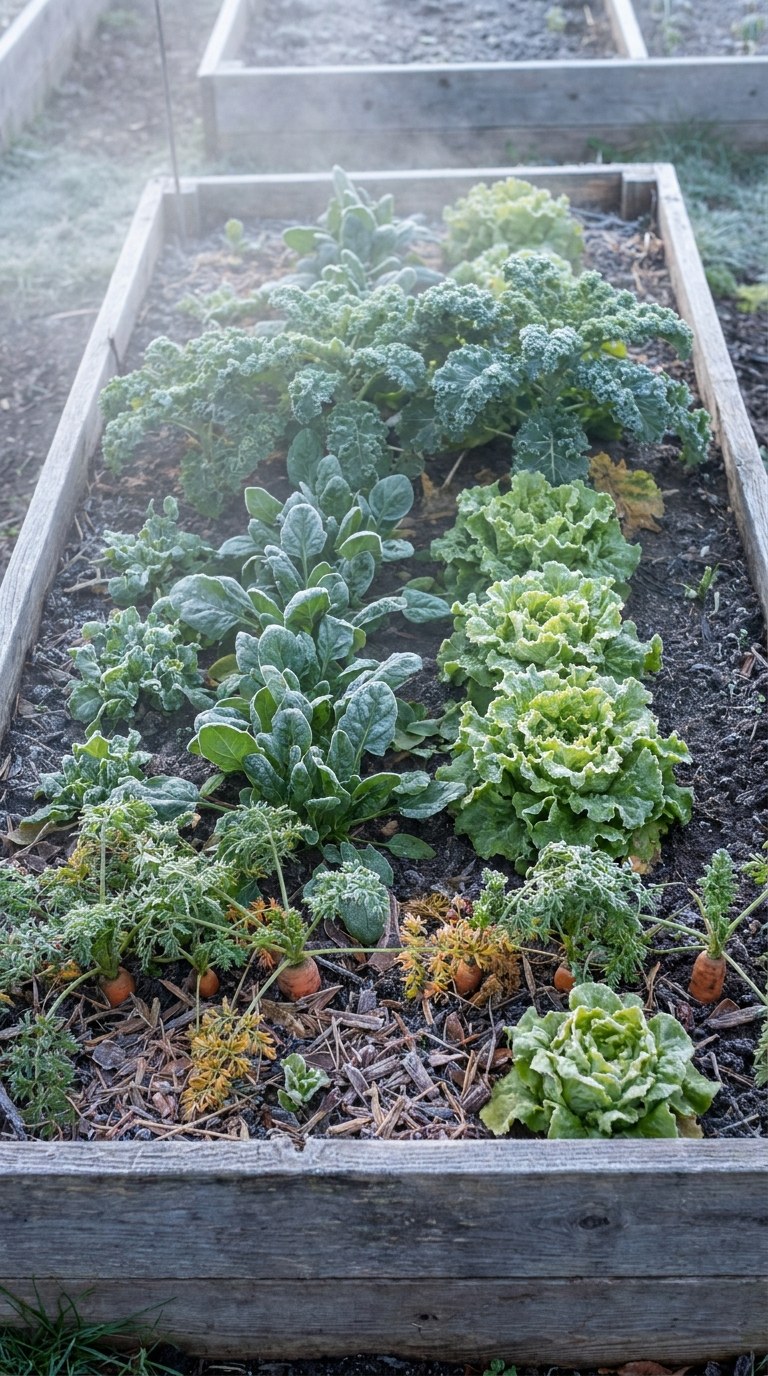
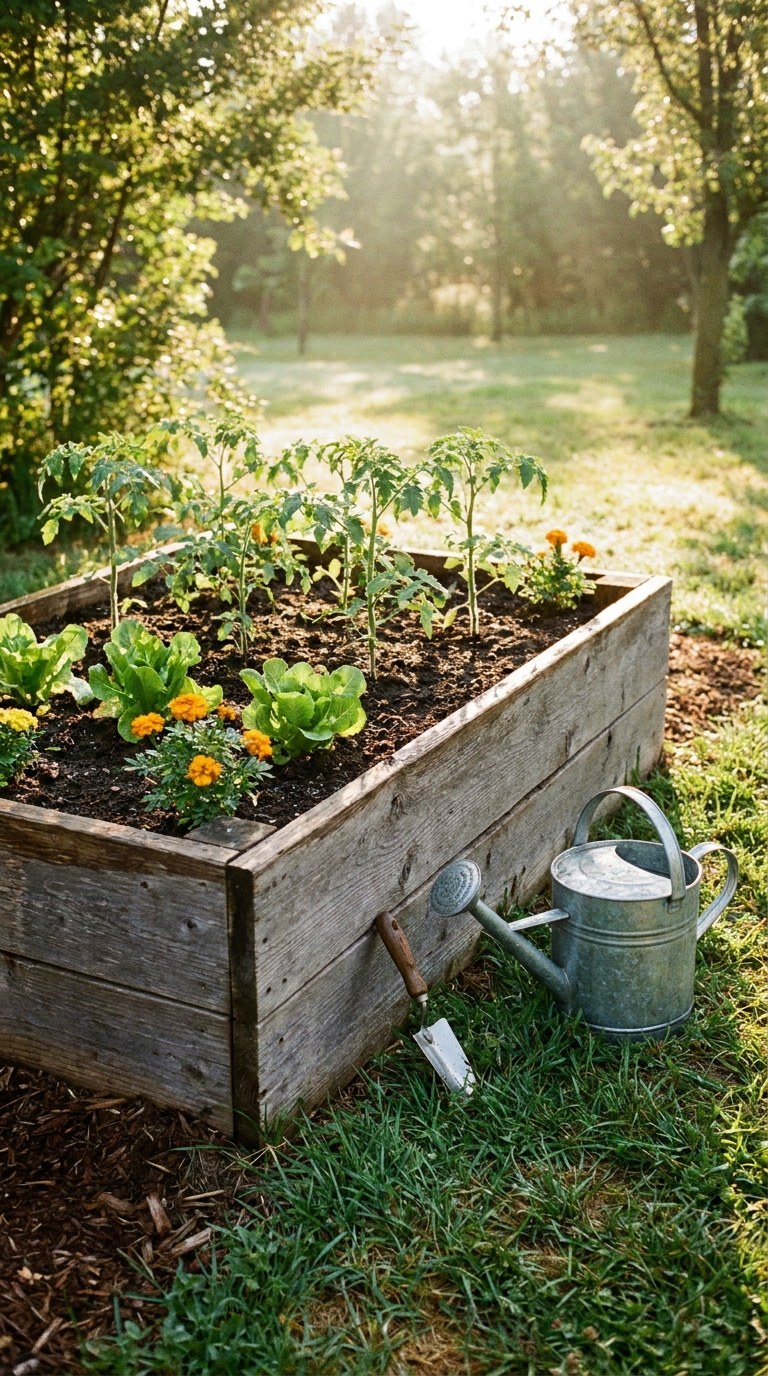
Winter does not mean the garden has to sleep. Many vegetables love cool weather and taste even better after a light frost. If you have a small bed, a raised bed, or even large pots, you can grow fresh food all winter. Here are the best winter vegetables to grow at home.
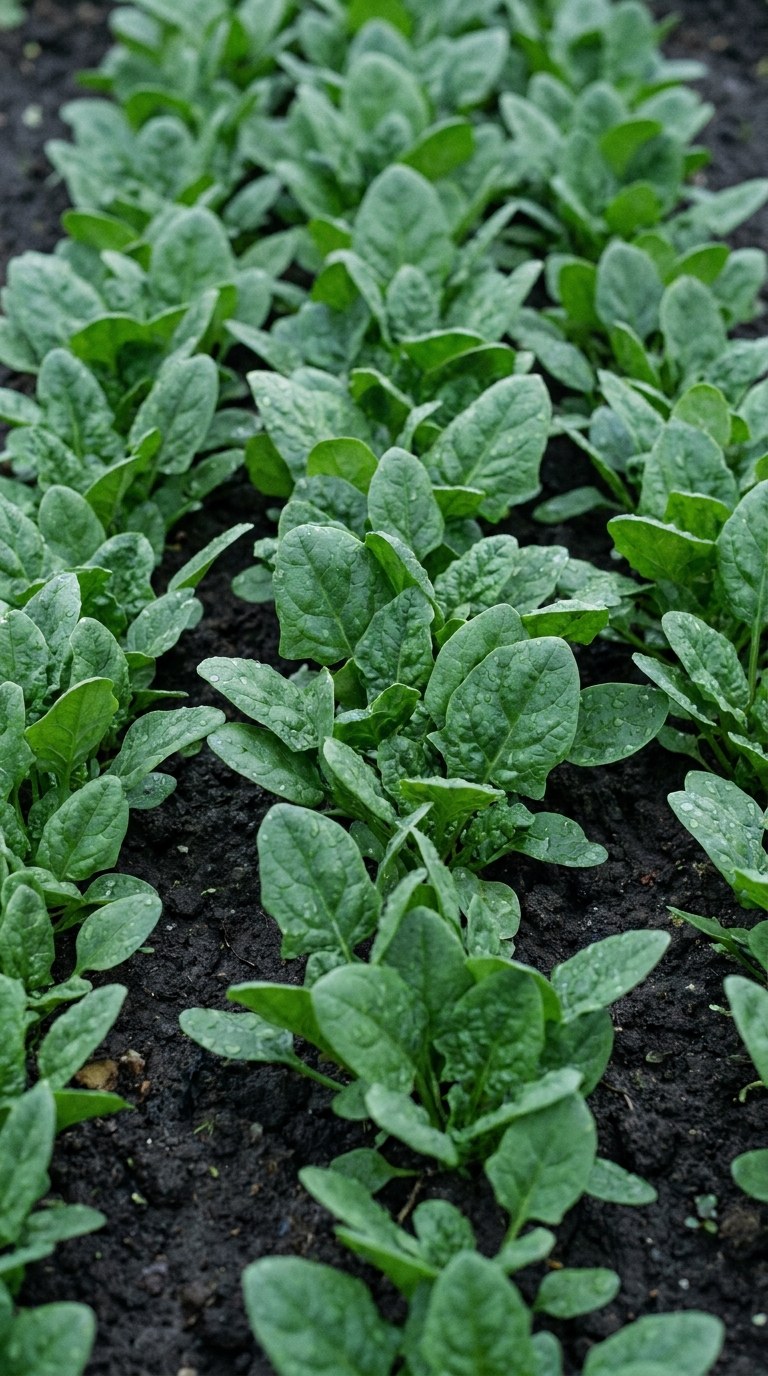
Spinach
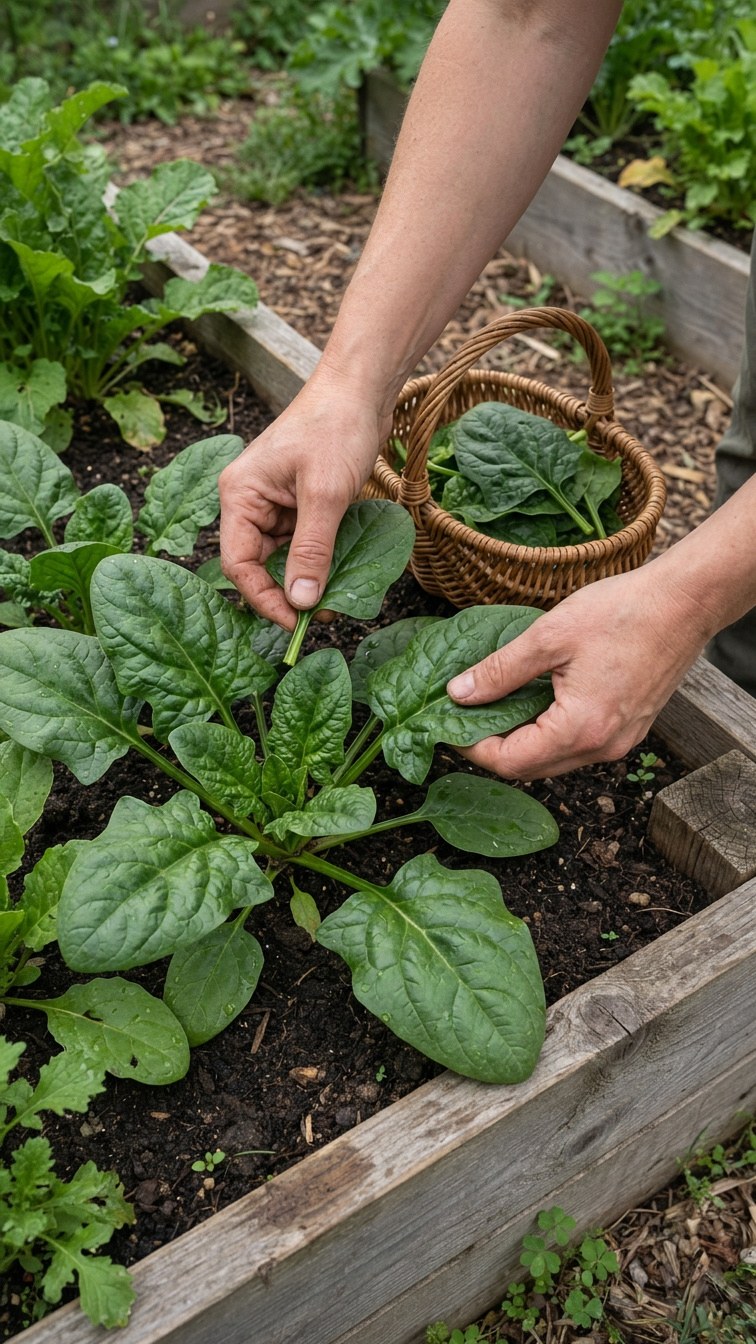
Spinach loves cool weather. It grows fast, and you can pick the outer leaves while the plant keeps growing. Plant seeds in rich, soft soil, and keep the soil damp.
Spinach needs only a few hours of sun a day. Pick the leaves young for salads, or let them grow big for cooking. A small bed gives you fresh spinach for months.
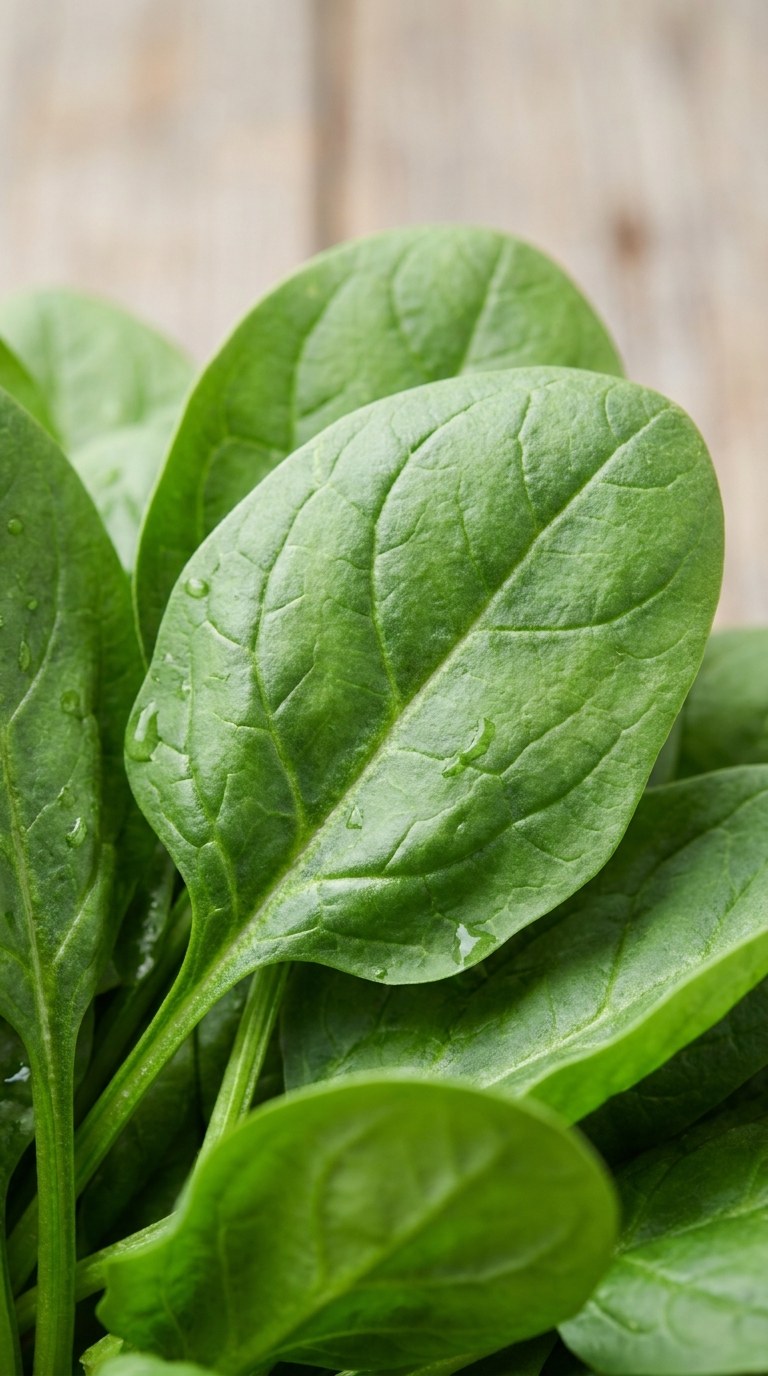
Lettuce
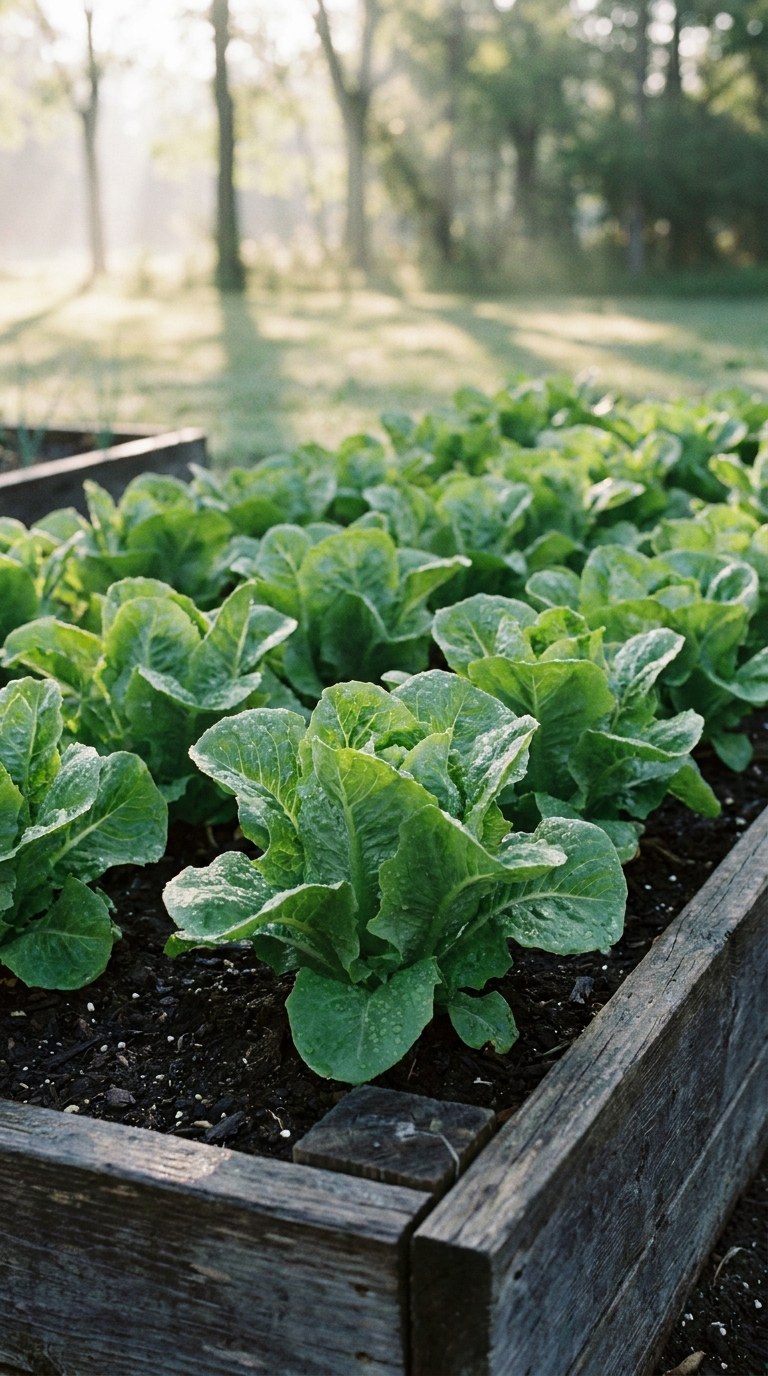
Lettuce is one of the easiest winter vegetables. It grows quickly from seed and likes cool, mild days. Plant a few seeds every two weeks for a steady supply.
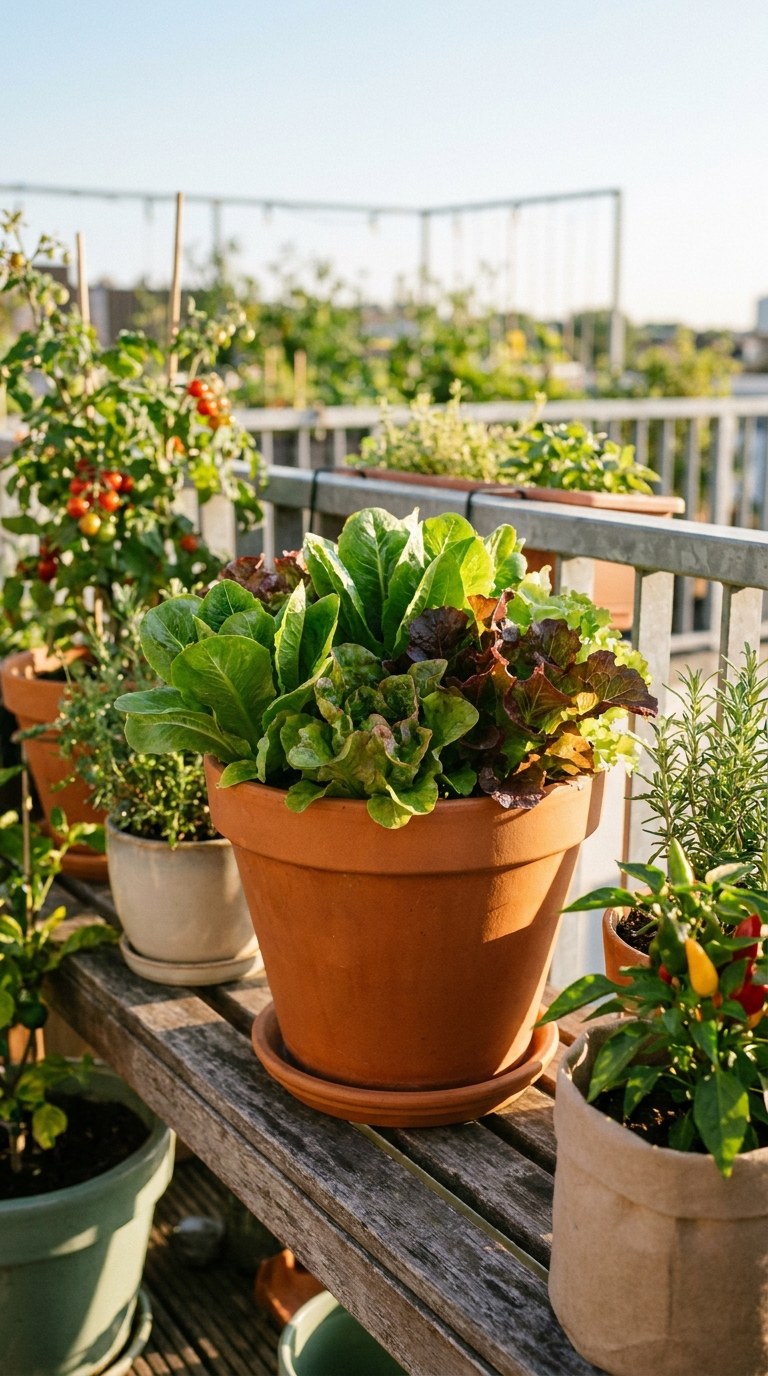
Cut the outer leaves and let the center keep growing. Lettuce does well in pots too, so even a balcony can grow a salad.
Carrots
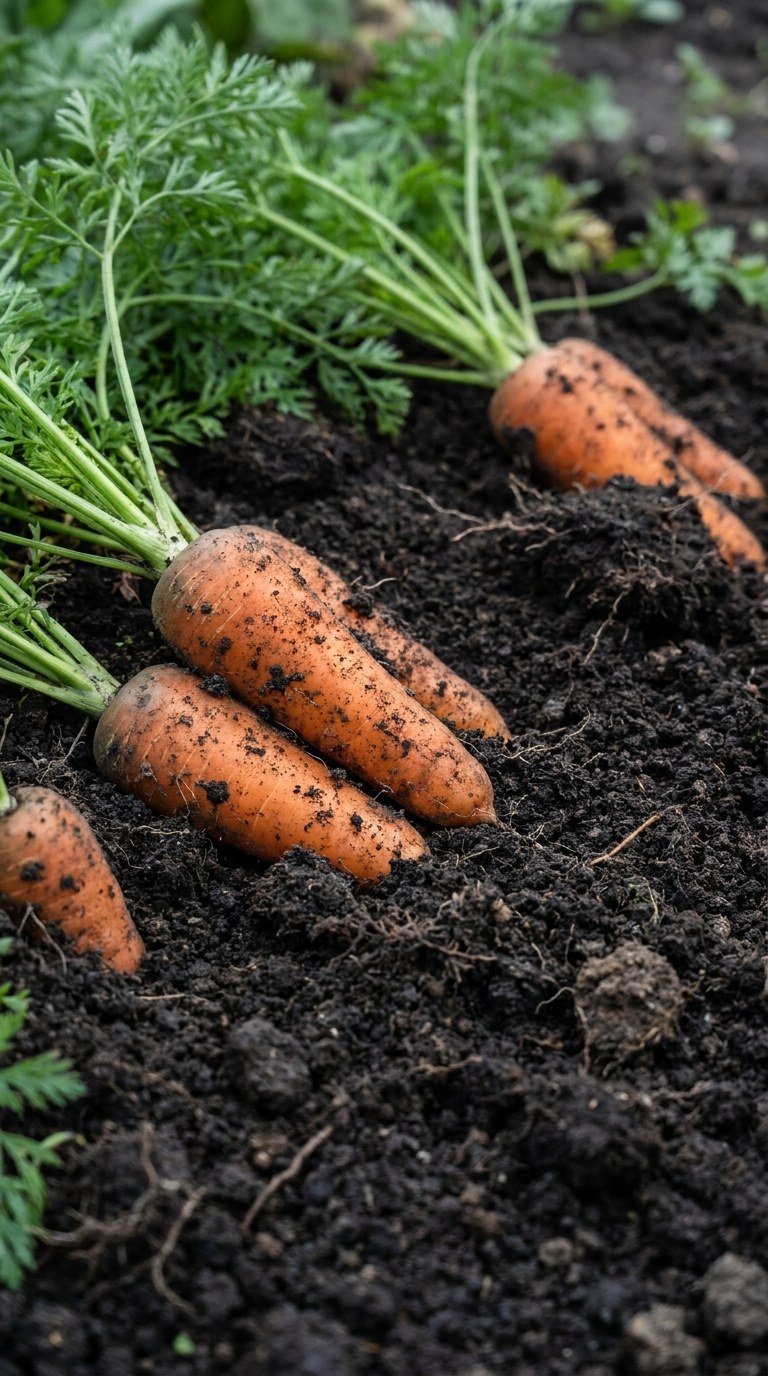
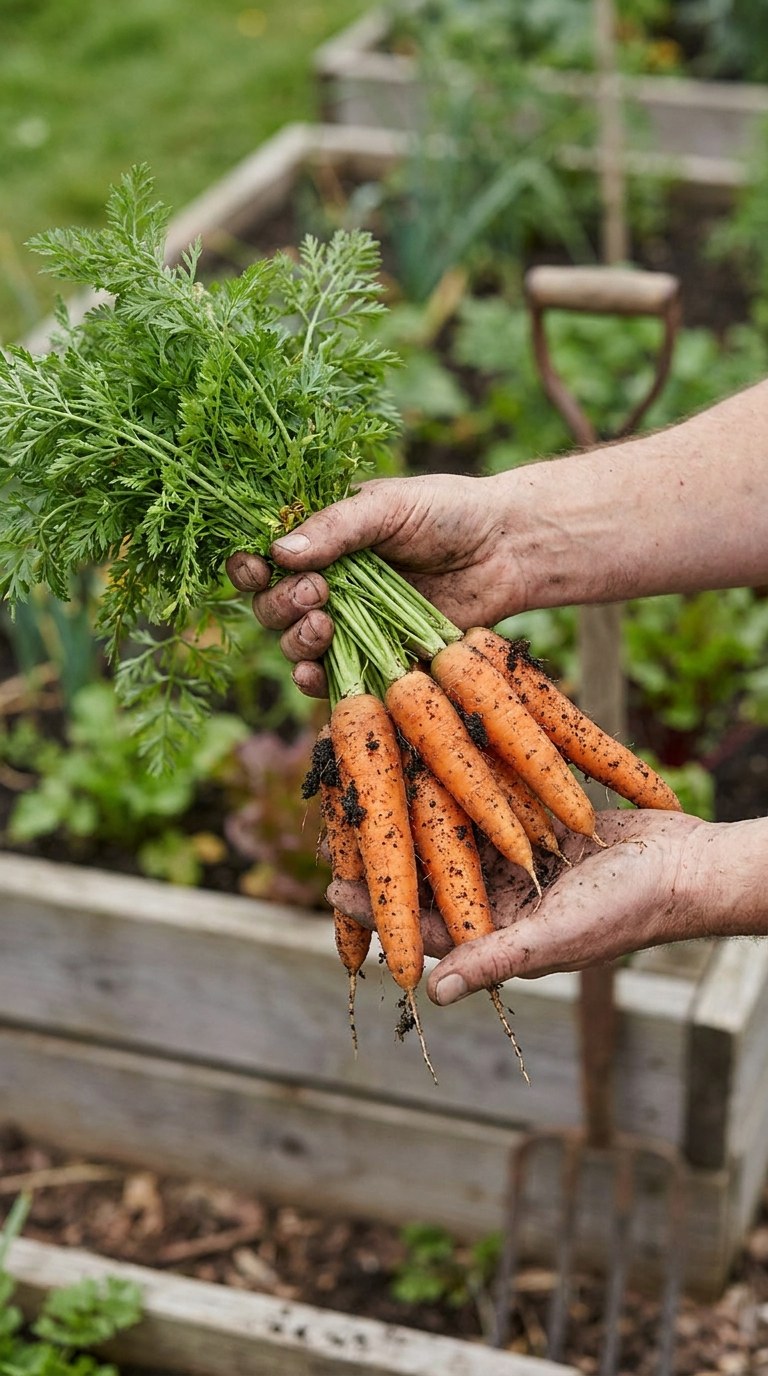
Carrots need deep, loose soil so the roots can grow straight. Mix compost into the bed and remove any stones. Plant the tiny seeds in a row and thin them out as they grow.
Carrots get sweeter after a frost. Pull one to test before you harvest the whole row. Fresh carrots from your own garden taste nothing like store-bought ones.
Peas
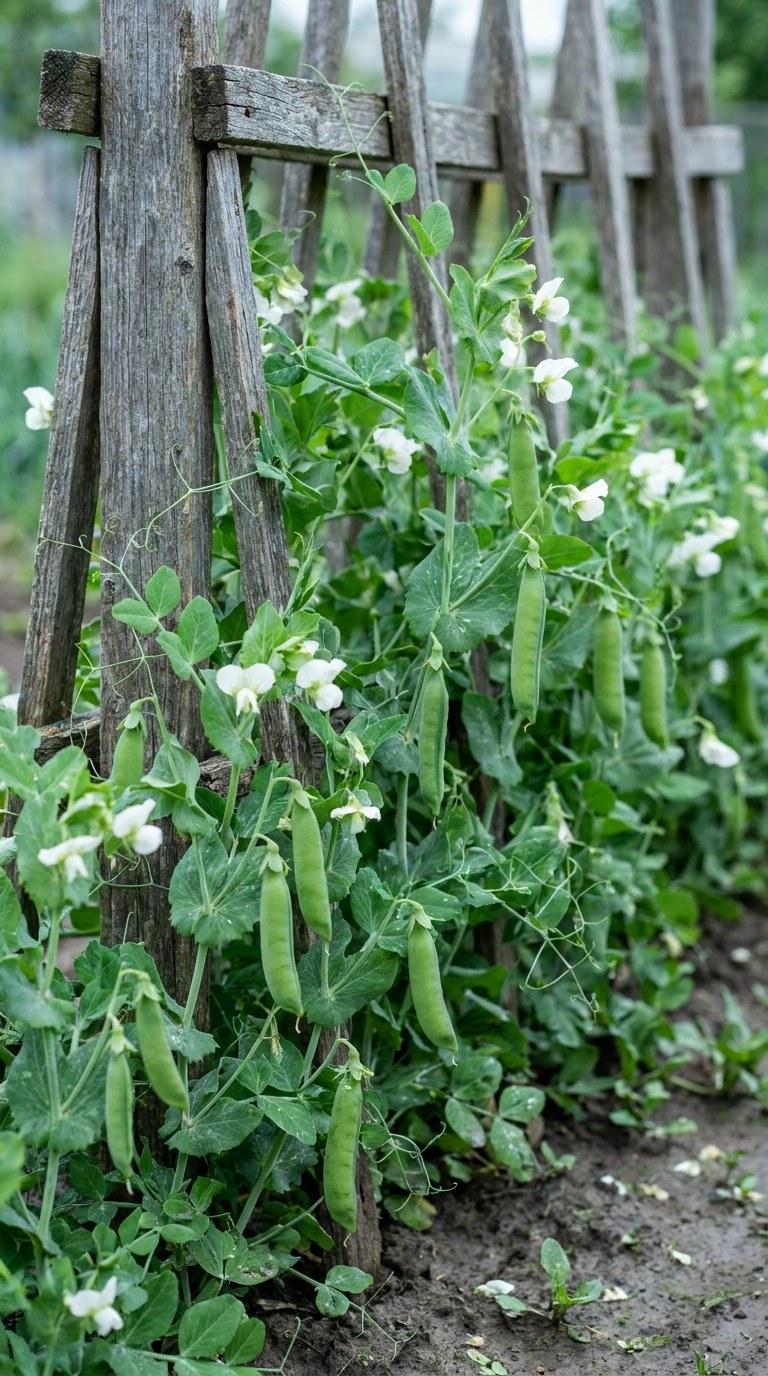
Peas love cool weather and grow up a small fence or trellis. Plant them in early fall or late winter. They need sun and regular water.
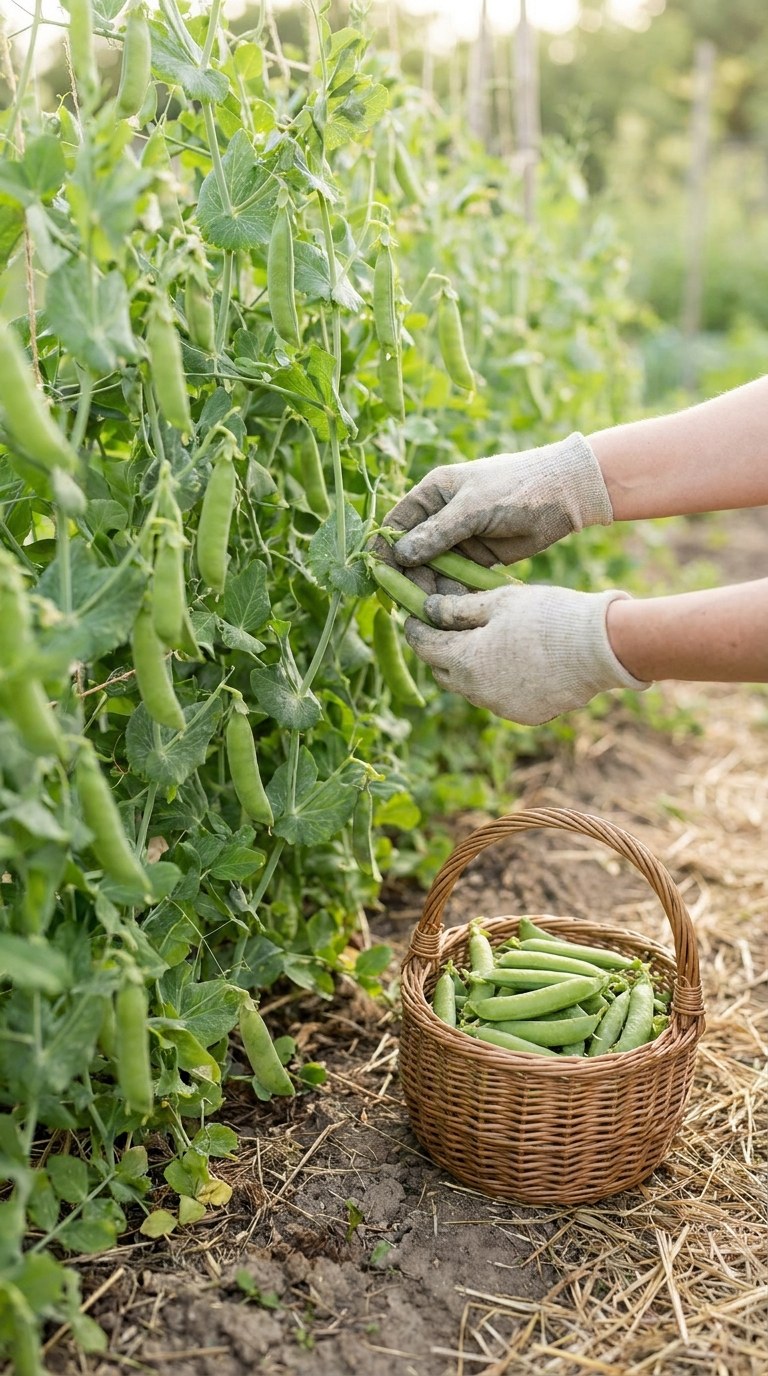
Pick the pods when they feel full and round. Eat them fresh from the plant, or cook them lightly. Peas also feed the soil, leaving it richer for the next crop.
Garlic
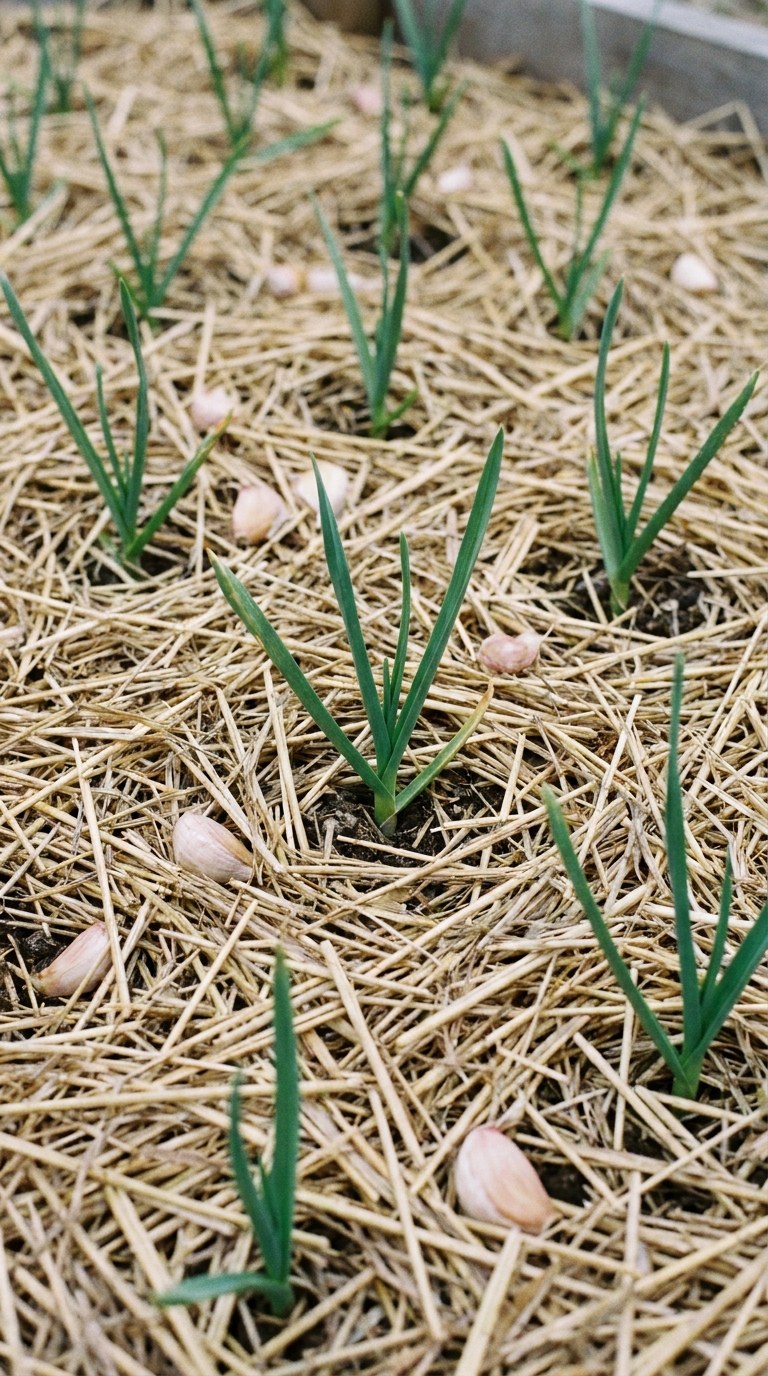
Garlic is planted in fall and harvested in summer, but it grows all winter. Push one clove, pointy end up, into the soil about two inches deep. Cover it with soil and a layer of mulch.
Each clove grows into a full bulb. Garlic needs very little care through winter. It is one of the easiest crops a beginner can grow.
Winter Care Tips
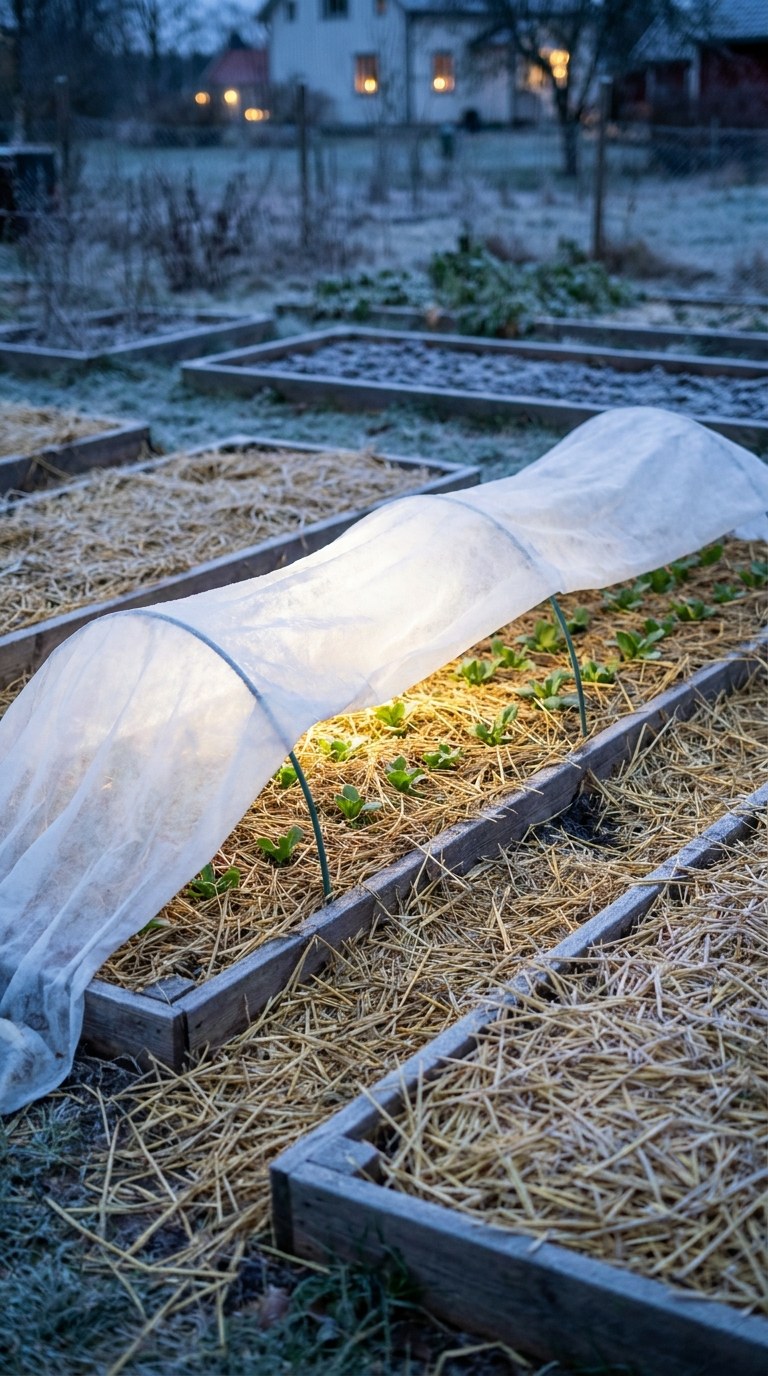
Cover your beds with mulch to keep the soil warm and damp. Water in the morning, and only when the soil feels dry. On very cold nights, cover young plants with an old sheet or a plastic tunnel.
Winter vegetables are patient and rewarding. Plant a few, tend them gently, and your winter table will have food you grew yourself.
You May Also Like
Follow @kshristi33 on Pinterest for more ideas like this.